What Happens If You Fall Out of a Raft?
TL;DR: Falling out of a raft is uncommon, and when it does happen, it's usually handled quickly and safely by trained guides. Before every trip, you'll learn how to stay in the boat, what to do if you end up in the water, and the defensive and aggressive swimming positions used in whitewater. The most important thing is to stay calm, listen to your guide, and avoid standing up in the river. With proper safety equipment, experienced guides, and a little preparation, most guests find that even an unexpected swim becomes just another memorable part of their adventure.
It's probably the question almost every first-time rafter thinks about.
They may not ask it out loud, but they're definitely thinking it.
"What happens if I fall out of the raft?"
The short answer?
You'll get wet.
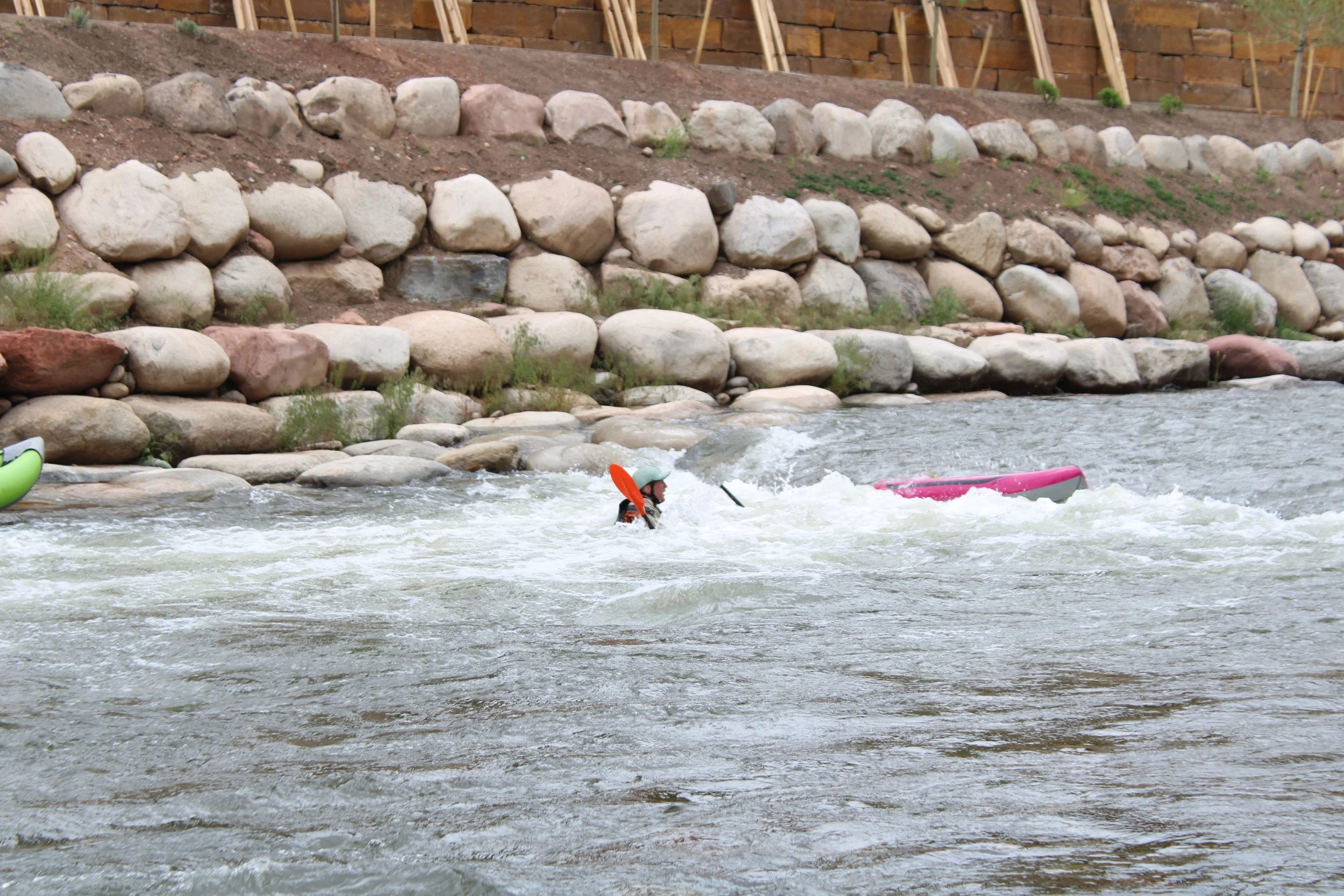
The longer answer is that falling out of a raft is usually far less dramatic than most people imagine.
While swimmers do happen from time to time, they're relatively rare, and guides train extensively to handle them safely and efficiently.
Here's what actually happens when someone falls out of a raft and what you should know before your trip.
How Often Do People Actually Fall Out?
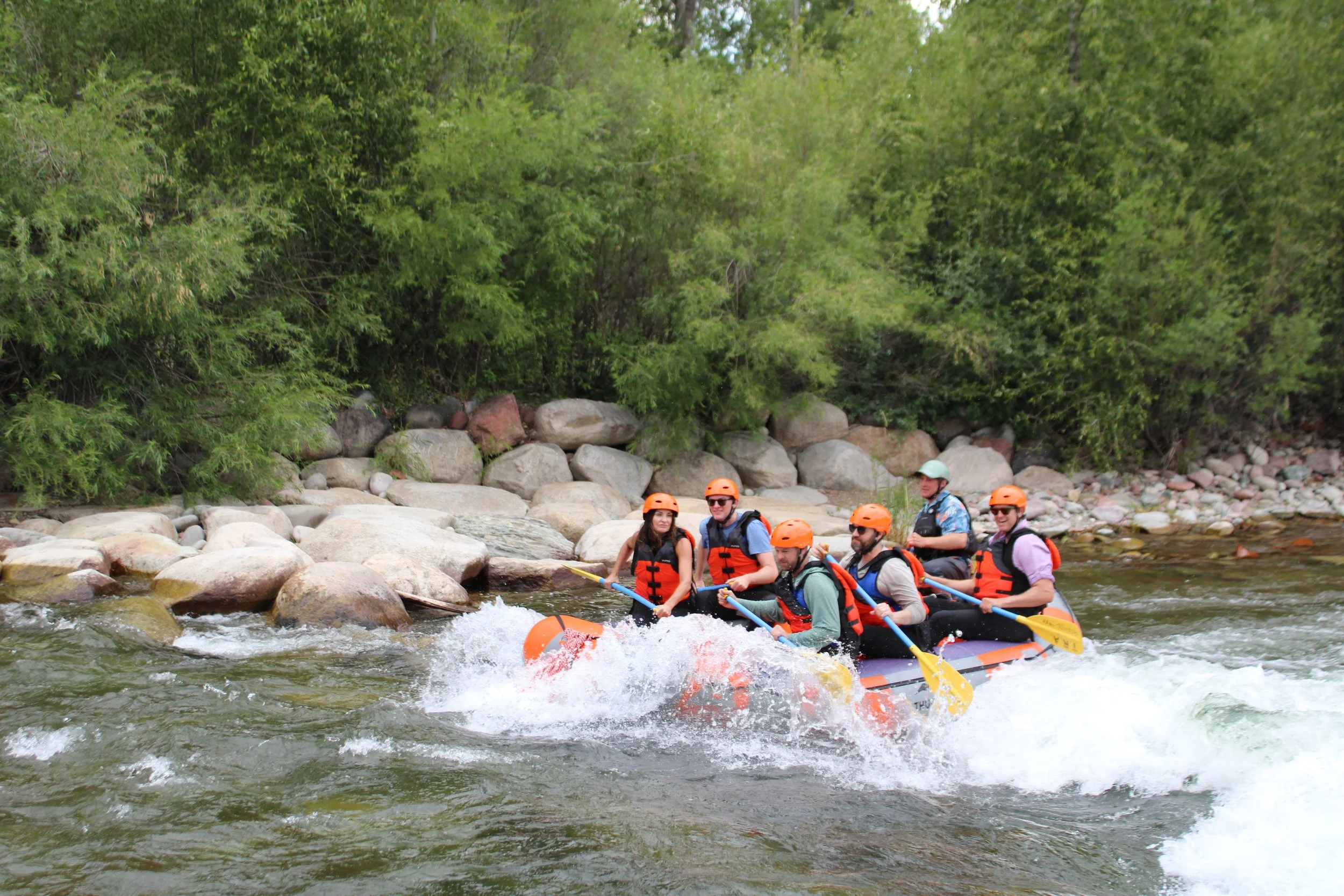
The good news is that falling out of a raft is fairly uncommon.
It happens occasionally throughout the season, but most guests complete their trip without ever leaving the boat.
The likelihood depends on several factors:
River section
Water levels
Trip type
Group coordination
Individual participation
Interestingly, higher water isn't always more likely to cause swimmers.
During lower water conditions, people sometimes fall out simply because the raft bumps a rock and they weren't properly braced in the boat.
f you're completely new to rafting, our Beginner's Guide to White Water Rafting explains what to expect before your first trip, including safety briefings, paddle commands, and common first-time concerns.
Trips Most Likely to Have Swimmers
From most likely to least likely:
Inflatable Kayak Trips
Slaughterhouse Falls (Class IV) Guests rafting the Slaughterhouse Falls section of the Roaring Fork River encounter larger rapids and more technical whitewater than our scenic trips, which naturally increases the chance of ending up in the water.Canyon Cruise (Upper Roaring Fork)
Scenic Float (Middle Roaring Fork)
On our Scenic Float trips, swimmers are extremely rare. It's often something we only see every couple of seasons.
Different sections of the Roaring Fork offer completely different experiences, from relaxing scenic floats to Class IV whitewater. You can compare them all in our guide to the best rafting trips near Aspen.
Why Do People Fall Out?
Most swimmers happen for one of two reasons.
They Aren't Braced Properly
Every guide teaches guests how to sit correctly in the raft.
When someone isn't properly braced and the raft bumps a rock or wave unexpectedly, they can lose their balance and fall overboard.
The Crew Stops Working Together
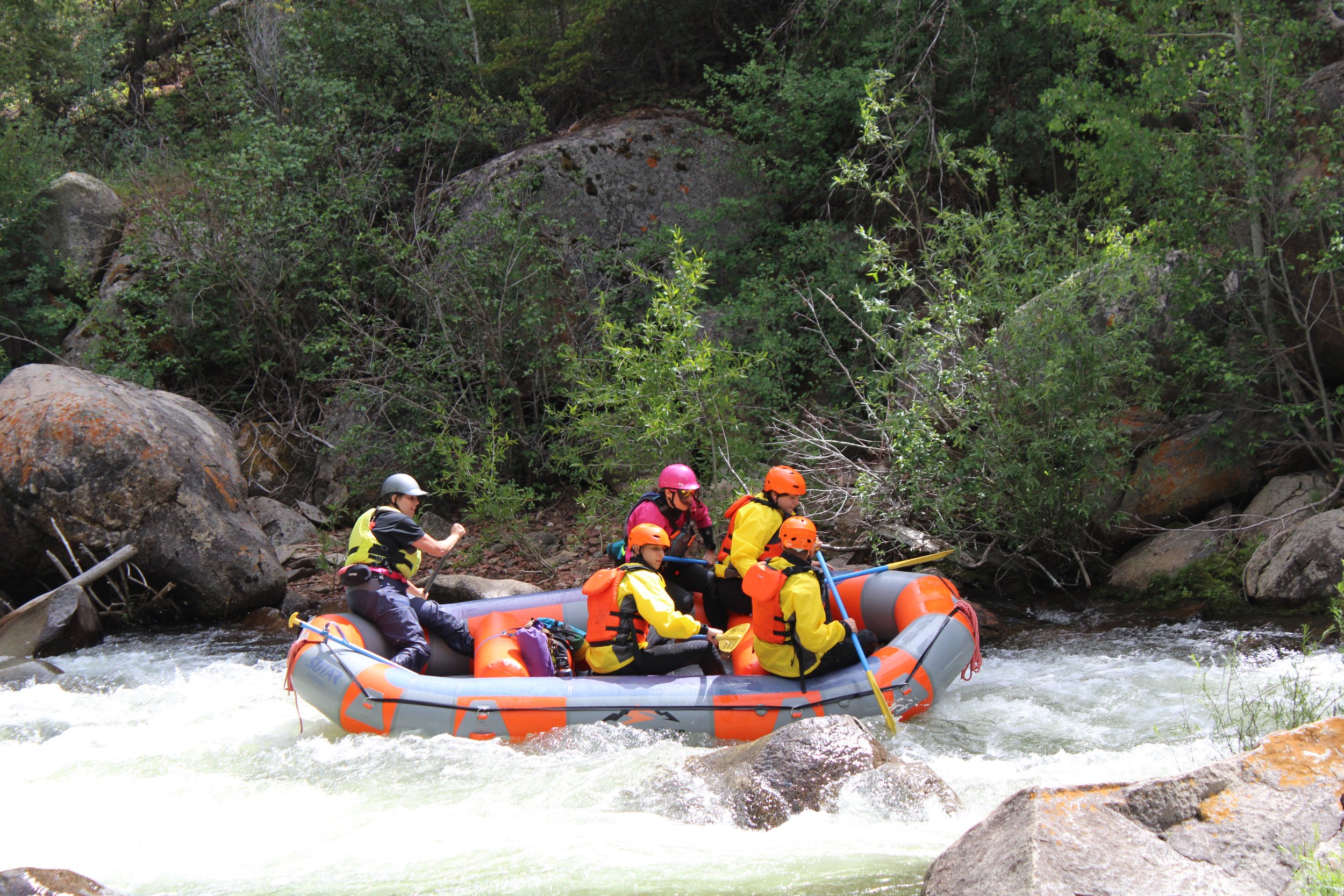
Whitewater rafting is a team sport.
If a boat isn't paddling together or responding to guide commands, it can:
Hit rocks sideways
Miss maneuvering opportunities
Become unstable
In rare cases, multiple people can end up in the water at the same time.
More serious incidents like flipped rafts or wrapped boats are extremely uncommon and are generally limited to more advanced sections of river like Slaughterhouse Falls.
What Happens Immediately After Someone Falls Out?
This is where guide training takes over.
Most guests imagine complete chaos.
In reality, the process is usually very organized.
Step 1: The Guide Identifies the Swimmer
The guide will immediately alert the group.
This may be done with:
A whistle blast
A verbal callout
Direct communication to the crew
Step 2: The Guide Makes Contact
The guide focuses on getting the swimmer's attention.
Depending on the situation, they may direct them to:
Swim back to the raft
Move away from a rock
Head toward shore
Grab a safety line
Most of the time, the swimmer is right next to the raft.
Step 3: The Crew Assists
If the swimmer is close to the boat, another guest is usually assigned to help pull them back in.
This often takes less than a minute.
Step 4: Recovery
If the swimmer drifts away from the raft, the guide directs the crew to paddle toward them.
If they reach shore first, the guide will stop and pick them up.
Once everyone is accounted for and okay, the trip continues downstream.
The Biggest Mistake Swimmers Make
Panic.
By far.
When people panic, they often:
Try to stand up immediately
Swim without a plan
Ignore instructions
Exhaust themselves unnecessarily
The best thing you can do is take a split second to assess the situation.
Then make a decision.
Can you get back to the raft?
Can you swim toward shore?
Can you reach another boat?
The more active you are in your own self-rescue, the easier it is for guides to help you.
Understanding Whitewater Swimming Positions
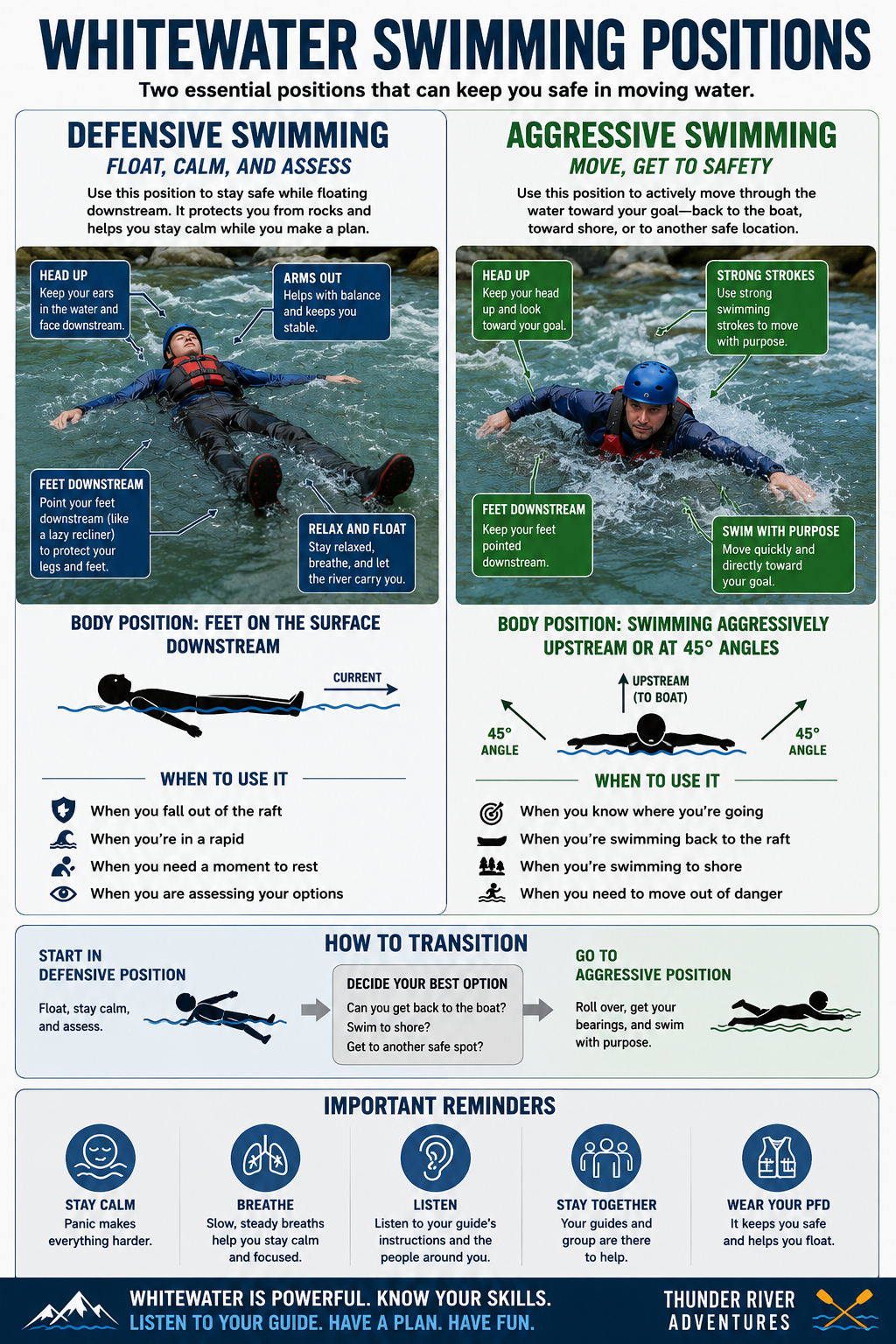
Every guest should know these positions before entering the river.
Defensive Swimming Position
Imagine you're sitting in a recliner.
You're lying on your back with:
Feet pointed downstream
Knees slightly bent
Head above water
This allows you to:
Protect yourself from rocks
Stay calm
Float through rapids safely
Assess your surroundings
It's also a great resting position if you're tired or need a moment to regroup.
Aggressive Swimming Position
Once you've identified where you want to go, you transition into aggressive swimming.
This means:
Rolling onto your stomach
Swimming hard toward the raft
Swimming toward shore
Moving toward safety
Both techniques are taught during safety briefings before rafting trips.
Different river sections require different swimming and rescue techniques depending on water speed and difficulty. Understanding river classifications can help you better understand why.
What Movies Get Wrong About Rafting
Movies often make rafting look like complete chaos.
Everyone falls out.
Boats flip constantly.
People are flying through rapids every few minutes.
The reality is much less dramatic.
While flips and swimmers can happen, they're relatively uncommon.
Most rafting trips involve guests staying comfortably in the raft while enjoying the river.
What you see in movies is designed for entertainment, not accuracy.
A Real Story From the River
Over the years, I've had plenty of guests fall out of boats.
The funny thing is that most of them come back smiling.
One guest stands out.
She was extremely nervous before the trip.
Like many first-time rafters, she spent most of the safety talk worried about falling in.
But once we got on the water, she started having fun.
By the end of the trip, she was enjoying herself so much that she voluntarily asked if she could swim through an easy rapid.
She jumped in, floated through the rapid, climbed back into the raft, and couldn't stop smiling.
She ended up coming back year after year.
What started as her biggest fear became one of her favorite memories.
Why Guides Train for This
Professional rafting guides don't just learn how to row a boat.
They train extensively for rescue situations.
In Colorado, guides are required to demonstrate strong swimming ability.
Many guide teams, including ours, regularly practice:
Defensive swimming
Aggressive swimming
Rescue scenarios
Swiftwater rescue techniques
Boat recovery drills
As a Swiftwater Rescue Instructor, I train guides every season and require them to swim rapids during training.
The more comfortable guides become in the water, the better prepared they are to help guests if something unexpected happens.
Safety training is one reason most guests are surprised by how controlled and organized rafting feels. If you're wondering how outfitters manage risk on the river, check out our guide on whether whitewater rafting is actually safe.
If You Fall Out of a Raft, Remember This
Stay calm and help yourself.
That's the most important thing.
Take a breath.
Listen to your guide.
Make a decision.
Get back to the boat if possible.
If not, swim toward shore or another safe location.
Most swimmers are recovered quickly, and many guests end up laughing about the experience afterward.
Final Thoughts
Falling out of a raft can happen.
But it's far less common than most first-time rafters imagine.
Guides train for it.
Safety systems are built around it.
And in most cases, it's simply another memorable story from a day on the river.
The best thing you can do is listen to your guide, work as a team, and remember that staying calm is your greatest asset if you ever find yourself in the water.
Understanding river difficulty is another great way to feel more confident before your trip. Our breakdown of whitewater river classifications explains what Class I through Class V rapids actually mean.