The Roaring Fork River: A Local Guide's Deep Dive Into Aspen's Most Important Waterway
TL;DR: The Roaring Fork River is the heart of Aspen and one of Colorado's few free-flowing, undammed rivers, with conditions shaped entirely by snowpack and seasonal weather. Flowing from Independence Pass to Glenwood Springs, it offers everything from peaceful scenic floats and family-friendly rafting to exciting Class IV whitewater and inflatable kayaking. Along the way, paddlers can experience incredible mountain scenery, abundant wildlife, and a river that changes with every season. Guided by locals who have explored it since 2013, you'll discover why the Roaring Fork is one of Colorado's most unforgettable rivers.
Most visitors to Aspen walk past the Roaring Fork every day without knowing its name. They cross it on the bridge at the base of Ajax, drive alongside it on Highway 82, and hear it from their hotel room at night. But they don't know what it is -- where it comes from, what it was called before it was called the Roaring Fork, why it matters, and what it looks like from the inside.
We've been on this river since 2013. Chris and Kate Edmonds have guided it as Class V professionals, studied its flows, watched its seasons change, and built a company around it. Here's what we know.
What the River Used to Be Called
Before it was called the Roaring Fork, this river was known as the Thunder River -- the name given to it by the Ute people who lived in this valley. That original name is the reason our company is called Thunder River Adventures. We believe the river deserves to be understood with the same depth of respect that name implies.
The Roaring Fork is one of the only significant rivers in Colorado that is not controlled by any dam. It is a purely free-flowing, snowmelt-fed river -- its character entirely determined by the snowpack in the mountains above it and the temperature of the spring. This makes it wilder, less predictable, and more alive than most rivers in the state. It also makes it an exceptional rafting river, because the water behaves like a river, not a managed release.
Where It Begins
The Roaring Fork originates on the flanks of Independence Pass at roughly 12,000 feet in the Sawatch Range. Snowmelt from peaks above 14,000 feet feeds the river each spring, creating the powerful runoff flows that make May and June some of the most thrilling rafting months of the year. From Independence Pass, the river drops steeply through narrow canyon walls before opening into the broader Roaring Fork Valley near Aspen.
Thunder River Adventures holds permits for the entire Roaring Fork River from Aspen to Glenwood Springs -- one of the most comprehensive commercial rafting permits in the valley. This means we can run any section of the river depending on conditions and guest goals, from the calm stretches through Northstar to the Class IV Slaughterhouse canyon.
The River Sections
Northstar Nature Preserve -- Calm Float

Running through the Northstar Nature Preserve on the eastern edge of Aspen, this is the calmest and most ecologically sensitive stretch near town. It's where we recommend you go on your own DIY paddle rentals. The preserve is, in Chris's words, 'a beautiful section of the Roaring Fork as it floats through one of the most serene and beautiful places we are lucky to have access to.' Wildlife here is abundant -- great blue herons, osprey, deer along the banks, and on rare and memorable occasions, a bear swimming across.
Slaughterhouse -- Class IV
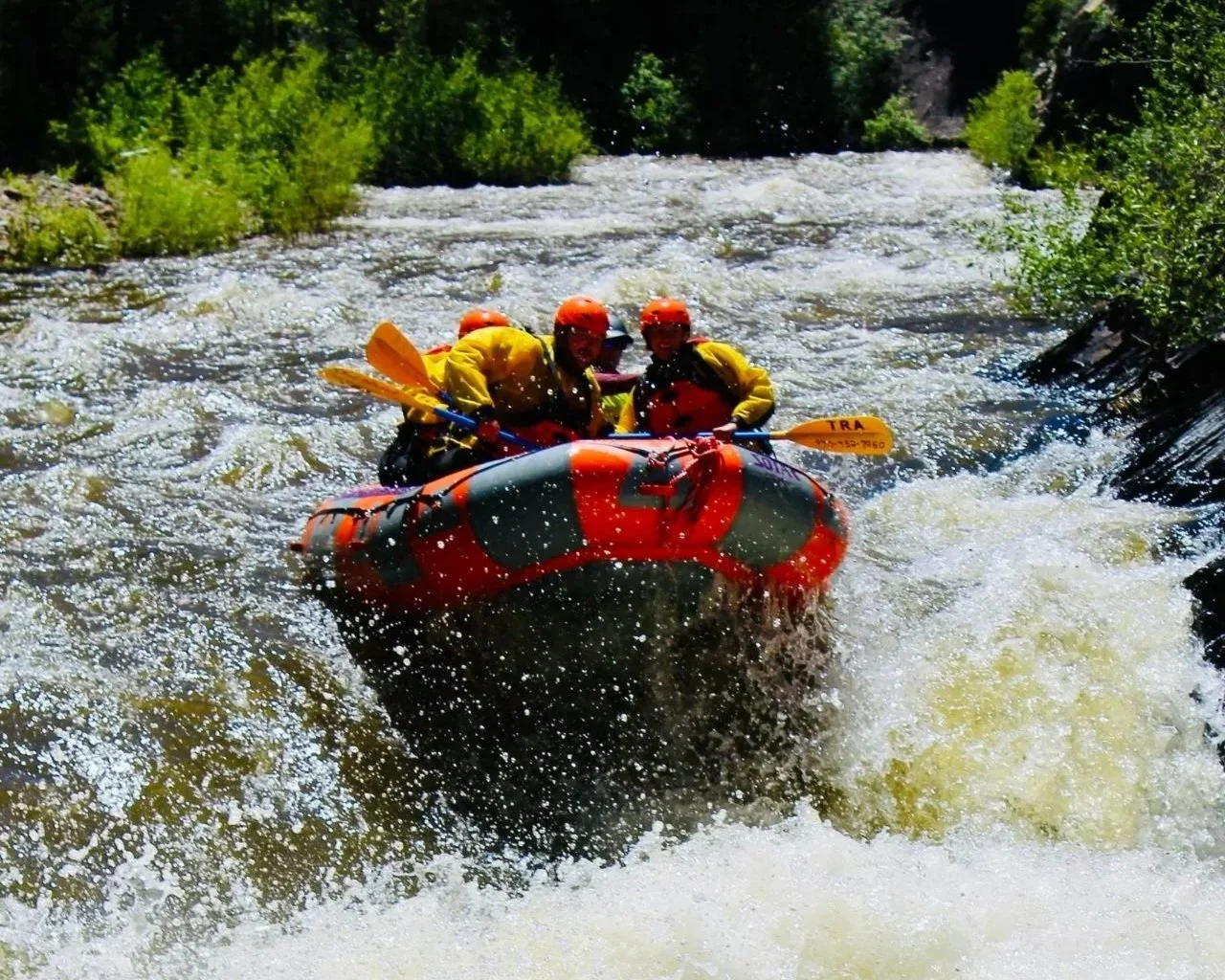
Slaughterhouse is Chris's personal favorite. 'It's a very committing run,' he says, 'with the first rapid starting around a minute into the trip.' The section features seven named rapids: Entrance Exam, Pinball, Slaughterhouse Falls, PIA, Hells Half Mile, Sunshine, and Hawaii Five-O. At optimal flows between 800 and 1,600 CFS it is technical and wave-filled. Above 1,600 CFS it becomes a high-water experience. Above 2,200 CFS it transitions into Class V territory and is not run commercially.
Canyon Cruise -- Class II-III
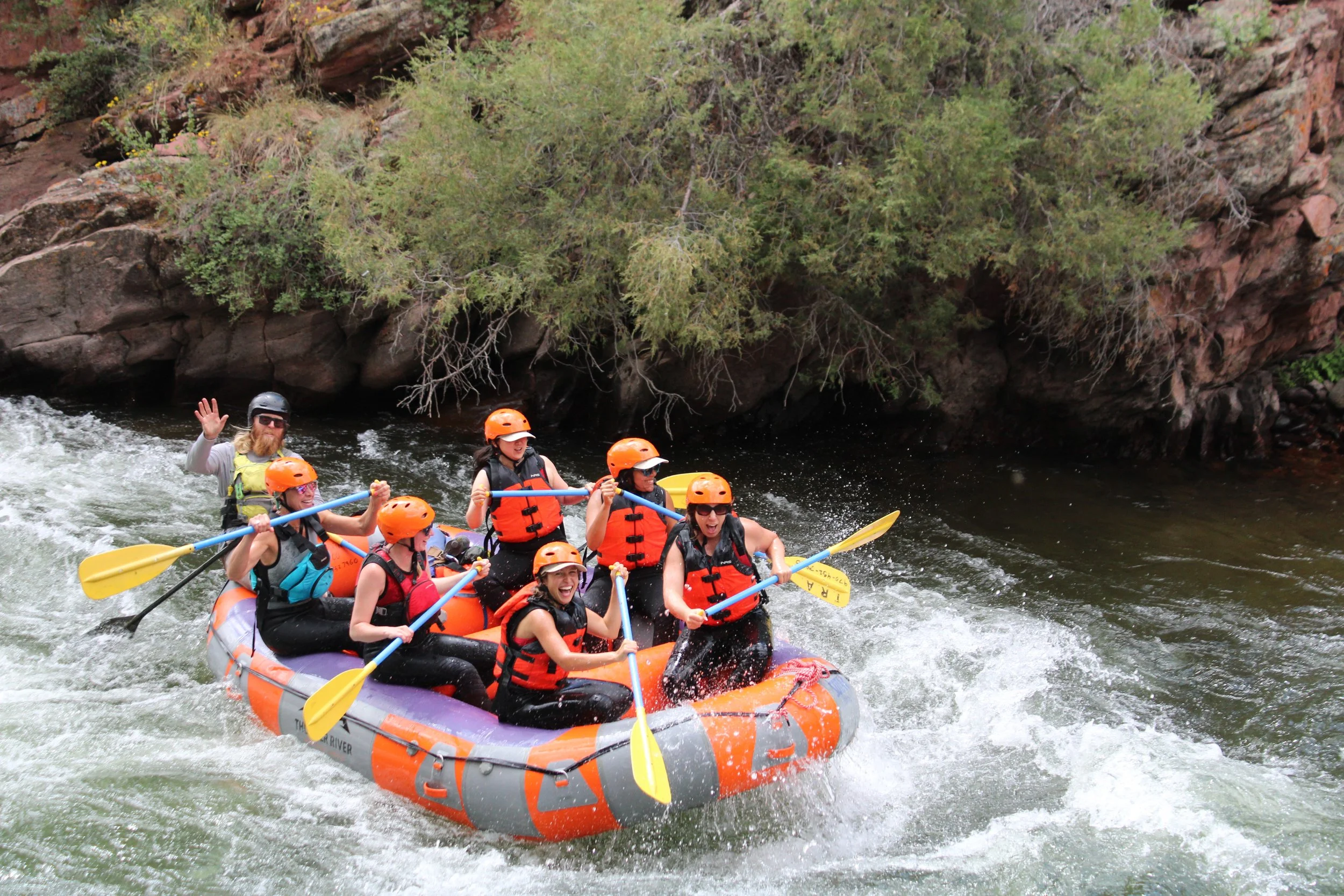
Below Aspen, the Roaring Fork enters a stunning canyon section where the walls rise on both sides and the river accelerates. This is our Canyon Cruise, on the Upper roaring fork river, two hours of Class II-III whitewater through scenery that surprises most guests who don't realize how dramatic the landscape becomes once you're on the water. The first rapid on this section appears within about a minute of putting in. There is no long warm-up paddle on the Roaring Fork.
The Scenic Float --Class II
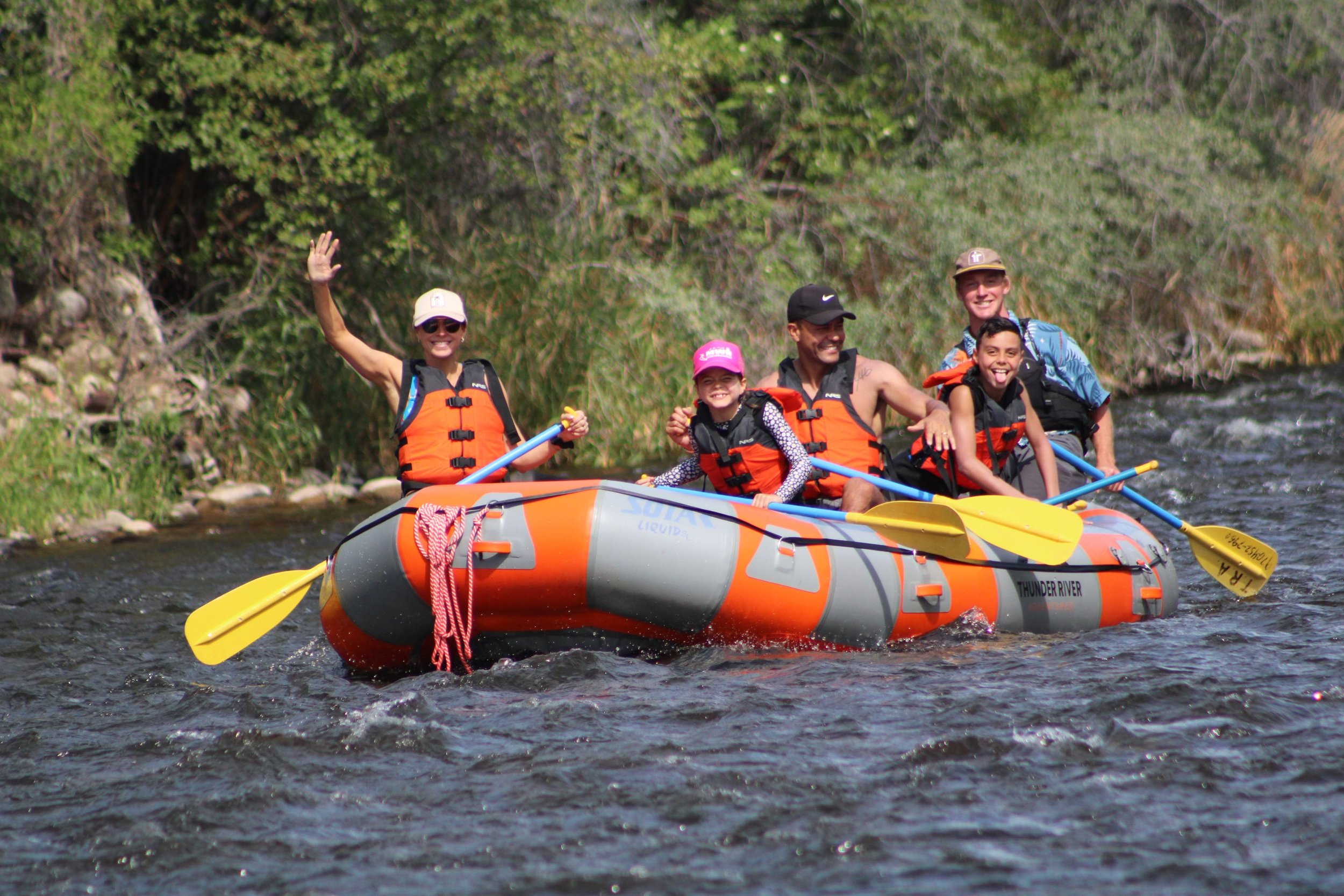
Drift through the heart of the Roaring Fork Valley on our Scenic Float Trip on the Middle Roaring Fork River, a relaxing rafting experience perfect for families, first-time rafters, and anyone who wants to enjoy Colorado’s natural beauty from the water. This gentle stretch of river offers calm currents, stunning canyon views, and frequent wildlife sightings while our professional guides handle the navigation. You’ll float past towering cottonwoods, clear mountain water, and peaceful riverbanks while learning about the area’s history and ecosystem. If you’re looking for a family-friendly rafting trip near Glenwood Springs or Aspen, the Scenic Float with Thunder River Adventures is the perfect way to experience the Roaring Fork River at a comfortable pace.
The Family Foat - - Class II
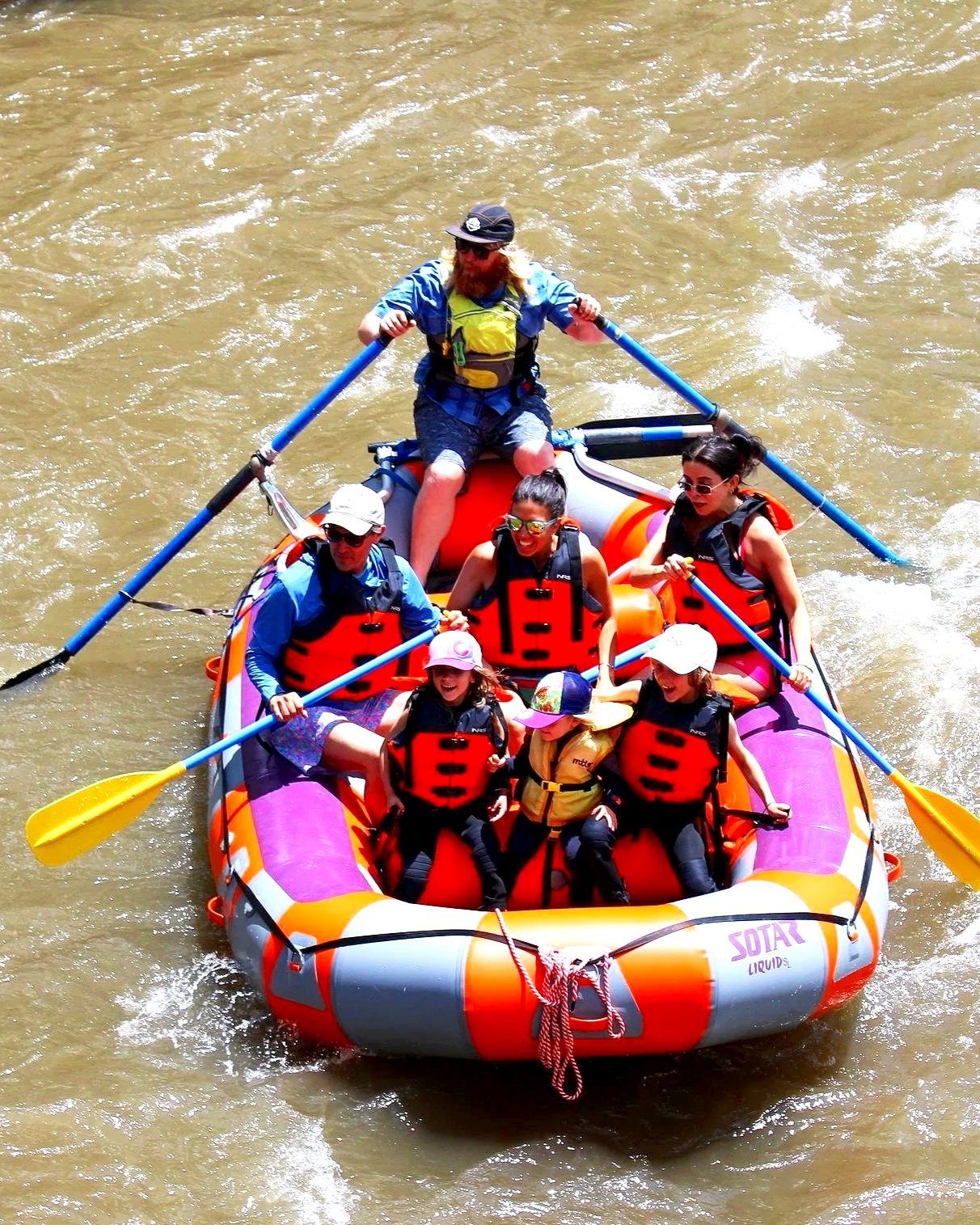
Our Family Float on the Lower Roaring Fork River is the perfect introduction to rafting for families with younger kids or anyone looking for a relaxed day on the water. This gentle stretch of river features mild currents, beautiful valley scenery, and plenty of opportunities to splash, laugh, and enjoy the outdoors together. Our experienced guides focus on safety while keeping the trip fun and engaging for all ages, making it a great choice for first-time rafters and multi-generational groups. If you’re searching for family-friendly rafting near Glenwood Springs or Aspen, the Family Float with Thunder River Adventures offers a safe, memorable way to experience the Roaring Fork River together.
Wildlife: What We've Seen From the Water
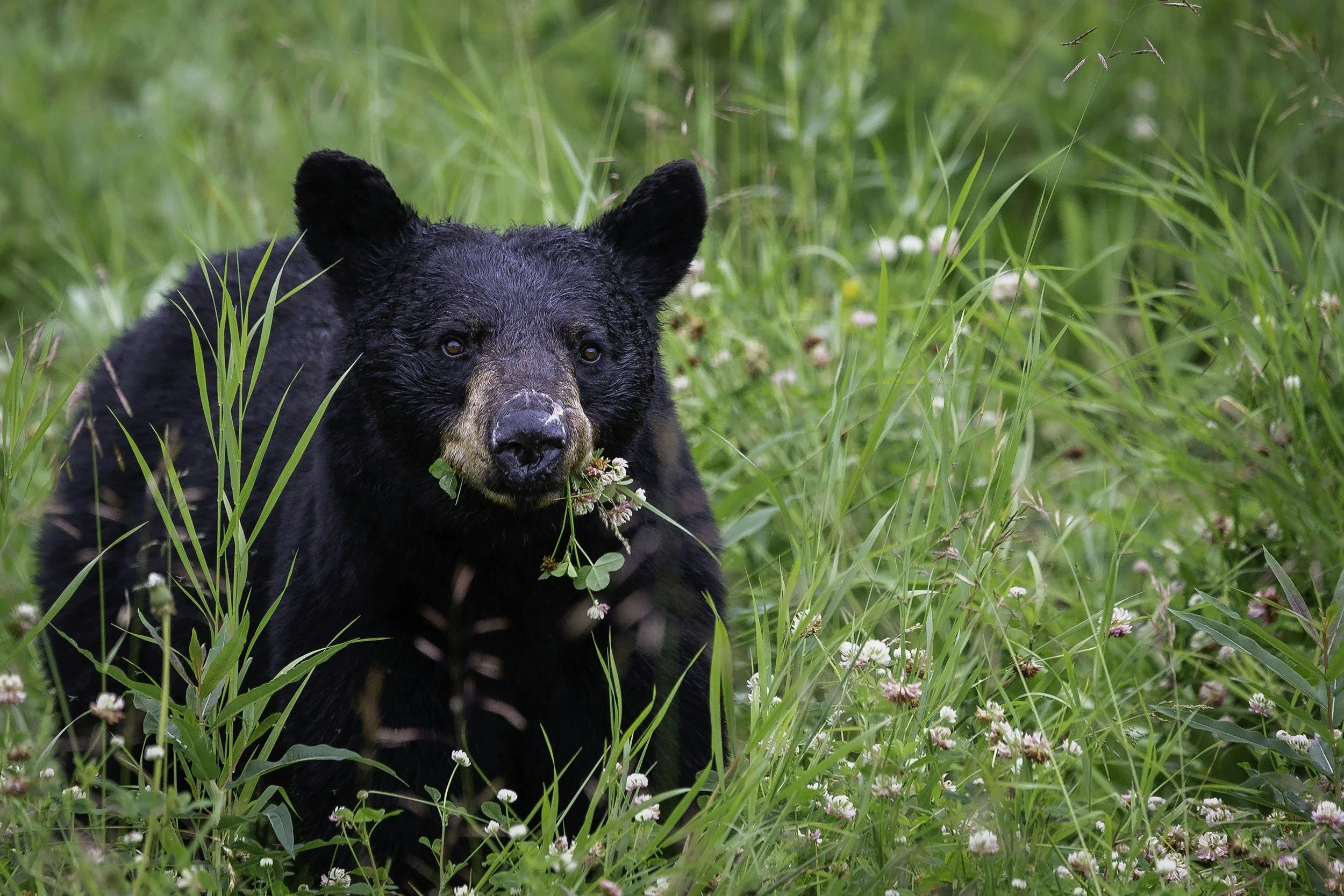
The river corridor is a wildlife highway. From the raft, guests regularly see osprey diving, great blue herons motionless in the shallows, mule deer at the water's edge, and river otters on the lower sections. Chris has seen a bear swimming across the river -- a genuinely rare sighting that stopped the entire raft. 'It's very rare,' he says, 'but always an incredible thing to witness.' Bald eagles nest in the cottonwoods along the lower valley and are present year-round.
How the Roaring Fork Behaves
Because the Roaring Fork is a free-flowing snowmelt river with no dam regulation, its character shifts dramatically through the season. Spring runoff in May and June pushes flows high and fast. By mid-July the river has settled into its summer personality -- consistent, readable, and ideal for most guided trips. By September, flows drop further and the river becomes more intimate and technical. Every month is a different experience.
We check USGS flow data every morning before any trip departs. The Roaring Fork near Aspen is gauged in real time at waterdata.usgs.gov -- publicly available data that our guides interpret through years of direct experience on this specific river at specific flow levels.
Roaring Fork Fast Fact: The Roaring Fork is one of the only undammed rivers of its size in Colorado. Its flows are determined entirely by snowpack and temperature -- making it one of the most genuinely wild commercial rafting rivers in the state.
Ready to Experience It for Yourself?
Experience the Roaring Fork with Thunder River Adventures
Book Now at thunderriveradventures.com