Can You Go White Water Rafting If You Can't Swim?
TL;DR: You don't need to know how to swim to enjoy most whitewater rafting trips. With a properly fitted life jacket, experienced guides, and the right beginner-friendly river section, many non-swimmers safely enjoy rafting every season. Scenic Floats, Family Floats, and many Class III trips are great options, while more advanced trips like Slaughterhouse Falls and inflatable kayaking require stronger swimming skills. If you're nervous, let your outfitter know—they can help match you with a trip that fits your comfort level so you can enjoy the river with confidence.
One of the most common questions we hear from first-time guests is:
"Can I go white water rafting if I can't swim?"
The short answer is:
Yes, in most cases you can.
In fact, we take non-swimmers rafting almost every day during the summer season.
But there are a few important things you should know before booking your trip.
The right trip selection, proper safety equipment, and experienced guides make all the difference.
Let's break down what non-swimmers should know before stepping into a raft.
Beginner's Guide to White Water Rafting
The Truth About Swimming and Rafting
Many people assume rafting is like kayaking, surfing, or swimming in a pool.
It's not.
The goal of rafting is to stay in the boat.
And most guests do.
While swimmers occasionally happen, it's relatively uncommon, especially on beginner-friendly river sections.
Many non-swimmers are surprised by how stable modern rafts actually feel once they're on the water.
Do You Need to Know How to Swim?
For most rafting trips, no.
You do not need to be a strong swimmer to enjoy rafting.
The reason is simple:
Staying in the boat is easier than most people think.
Professional guides teach you:
where to sit
how to brace yourself
paddle commands
what to do if something unexpected happens
Combined with a properly fitted life jacket, most guests quickly realize rafting feels much safer than they imagined.
Which Aspen Rafting Trips Are Best for Non-Swimmers?
Not all rafting trips are the same.
Some are excellent for non-swimmers.
Others require stronger swimming skills and more comfort around moving water.
Great Trips for Non-Swimmers
Scenic Float (Middle Roaring Fork)
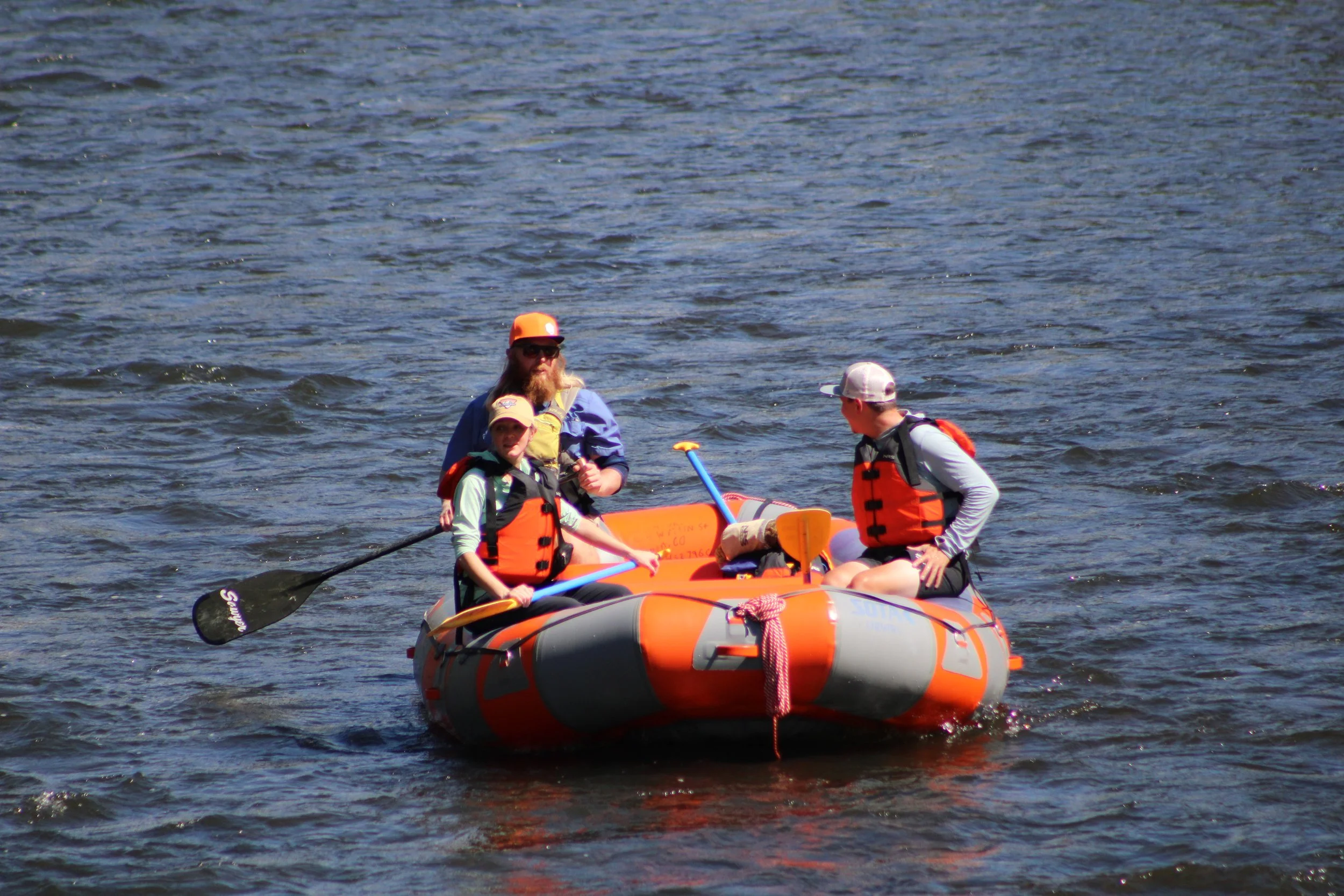
This is one of the best options for nervous guests.
You'll enjoy:
beautiful scenery
gentle currents
wildlife viewing
a relaxed pace
It's a fantastic introduction to rafting.
Family Float (Lower Roaring Fork)
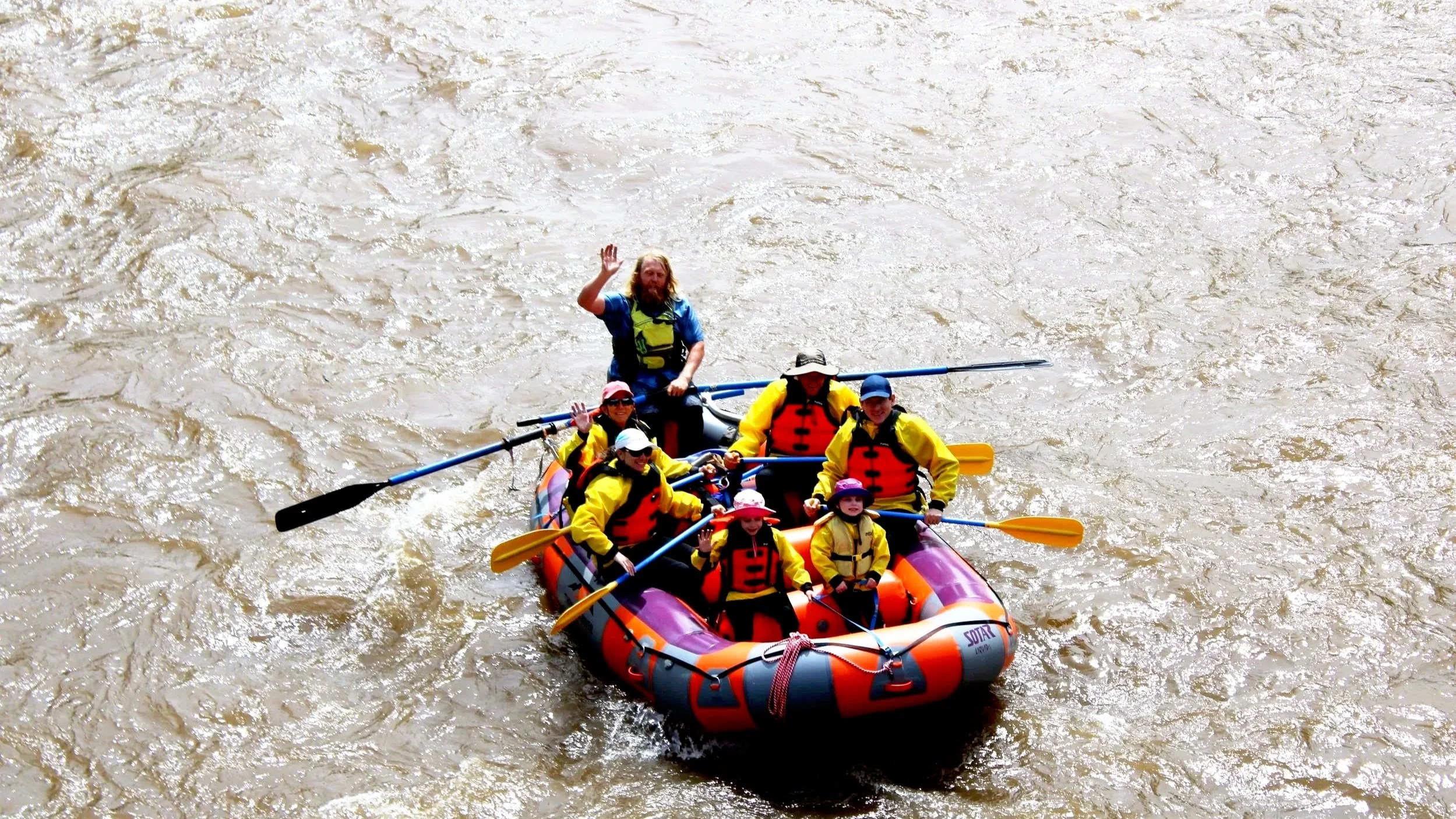
Another excellent choice for guests who are nervous around water.
The slower pace and family-friendly environment help many first-time rafters build confidence quickly.
Canyon Cruise (Upper Roaring Fork)
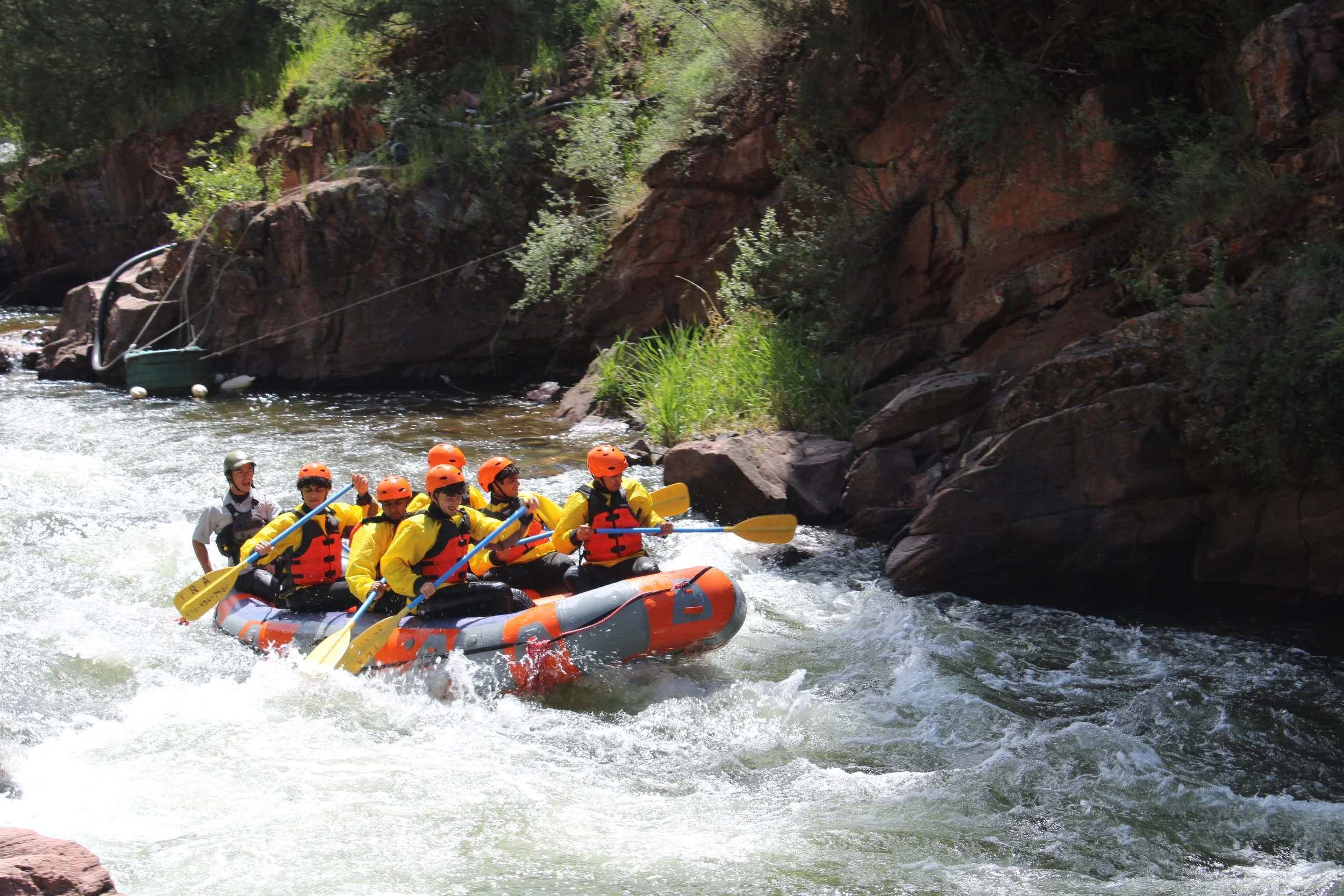
Many non-swimmers enjoy the Canyon Cruise.
It offers more excitement than a Scenic Float while remaining accessible to most guests.
Your guide can help determine whether it's the right fit for your comfort level.
Trips We Don't Recommend for Non-Swimmers
There are some rafting experiences where swimming ability becomes much more important.
Slaughterhouse Falls (Class IV)
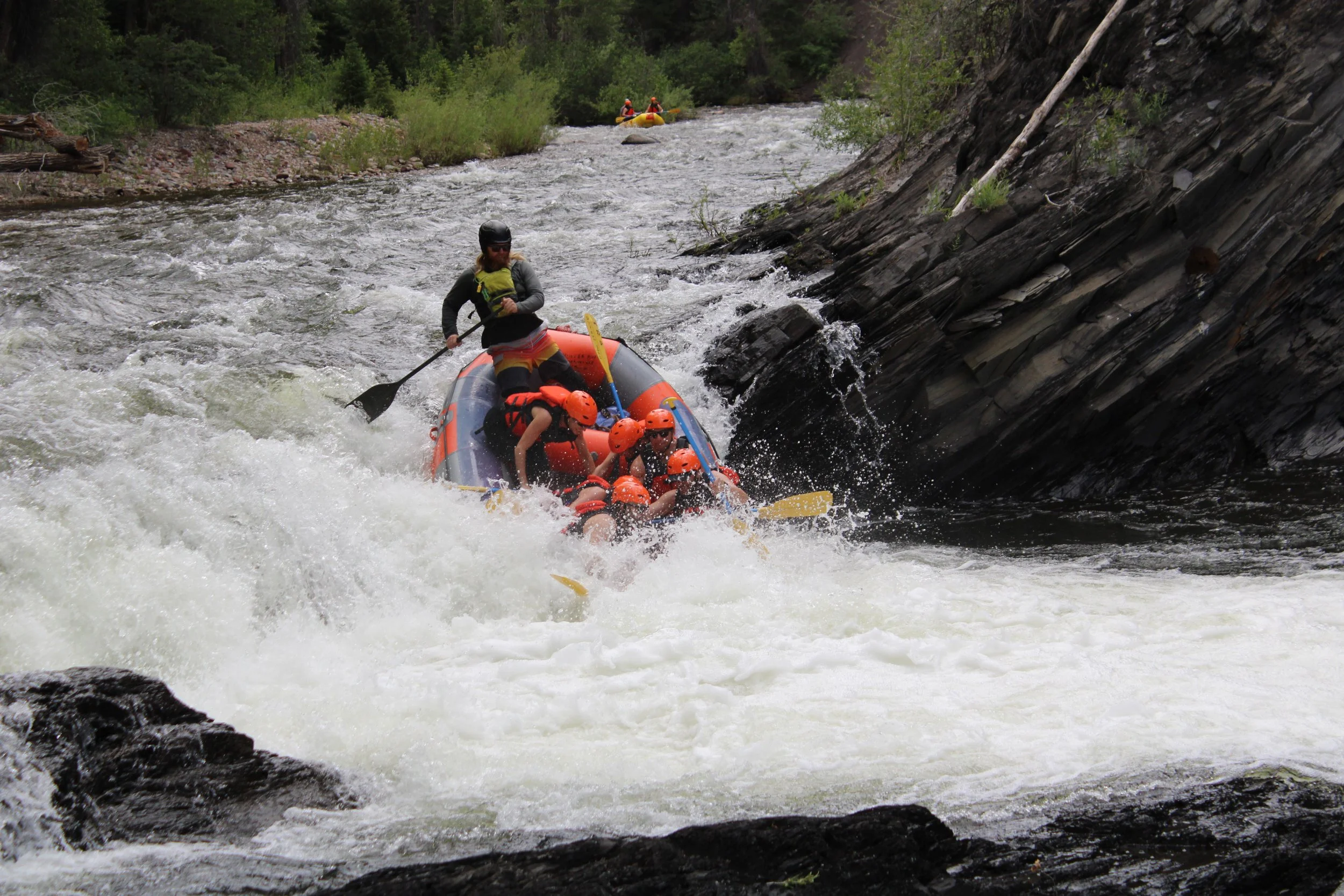
This section features:
larger rapids
more technical whitewater
higher consequences if you leave the boat
Because of this, swimming ability is required.
Inflatable Kayak Trips
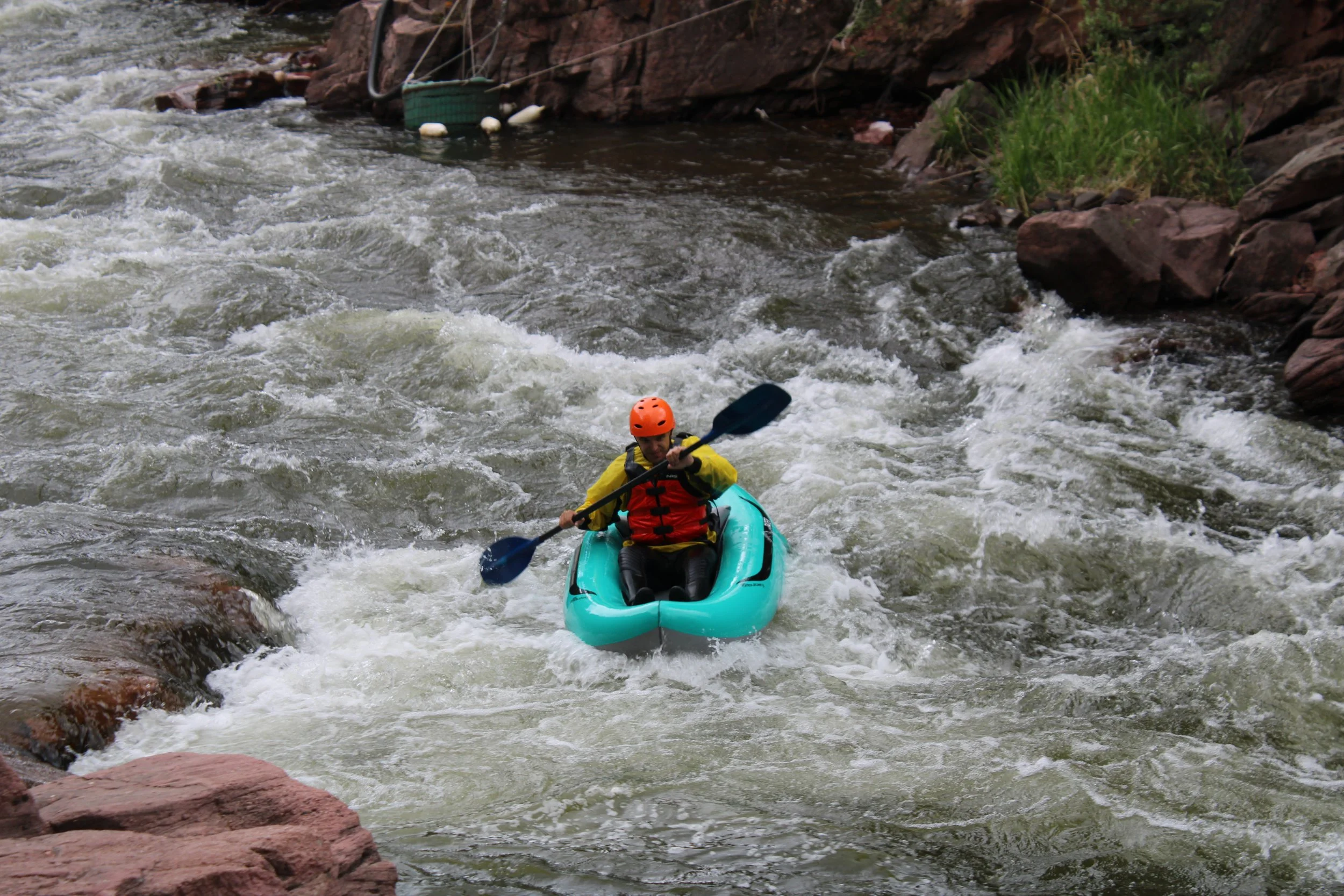
Unlike a traditional raft, your guide is not in the boat with you.
You're controlling your own inflatable kayak while following guide instructions.
Because swimmers are more common on inflatable kayak trips, we require guests to be comfortable swimmers.
Understanding River Classifications
What If I Fall Out?
This is usually the real question people are asking.
The good news?
Most people don't.
But if it happens, you're not on your own.
Before every trip, guides provide a safety briefing that covers:
defensive swimming
aggressive swimming
how to self-rescue
what to expect if you enter the water
If you'd like a full breakdown, read our guide on What Happens If You Fall Out of a Raft?
How Life Jackets Help
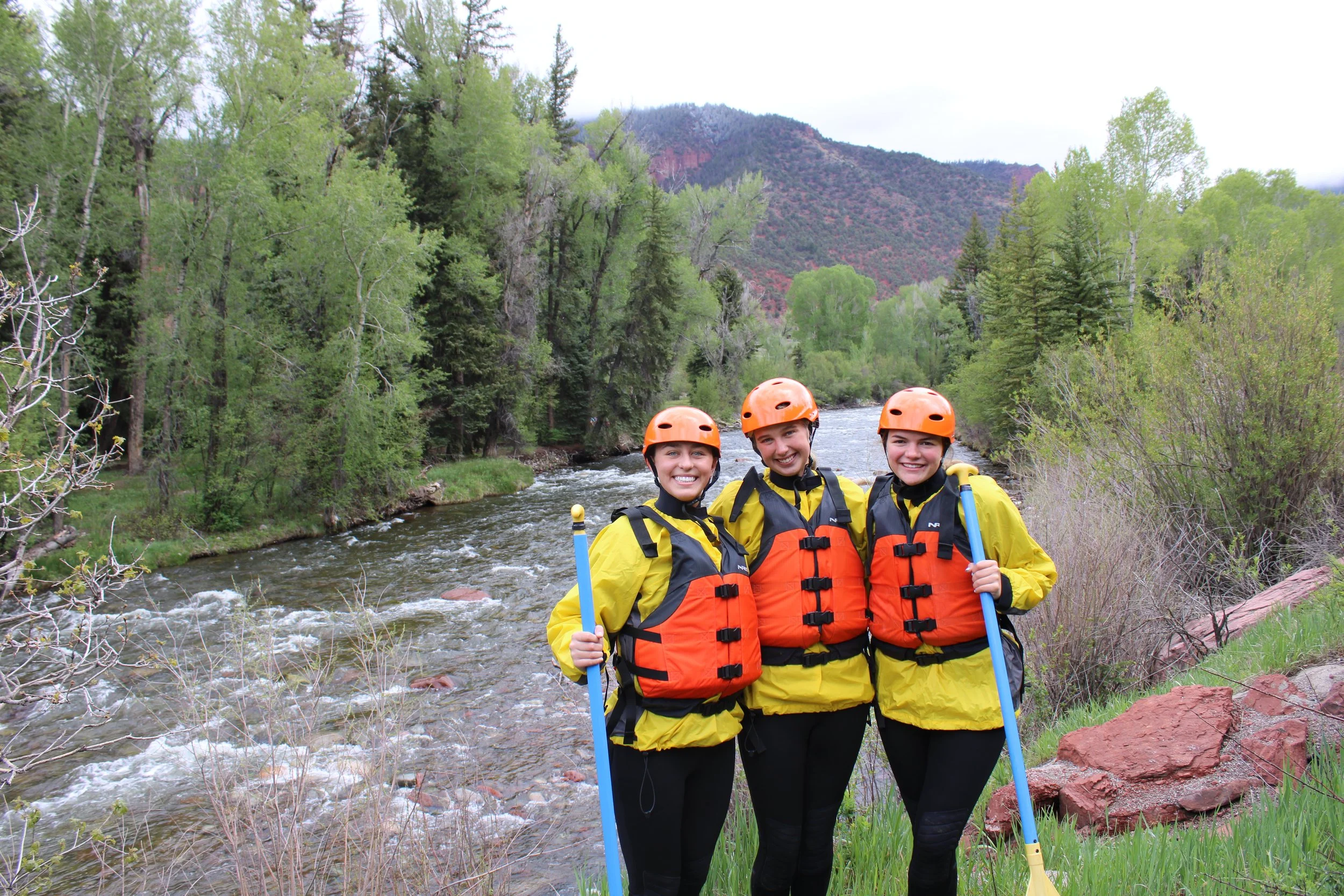
Many non-swimmers imagine they'll sink if they end up in the river.
That's not how a properly fitted rafting PFD works.
A professional rafting life jacket is designed to:
keep you floating
help keep your head above water
support you while swimming
give guides time to assist if needed
When floating in the defensive swimming position, the flotation behind your neck helps keep your face above the water's surface.
This is one reason properly fitted equipment is so important.
What Safety Measures Are In Place?
Professional rafting trips have multiple layers of safety built into them.
Before your trip even begins:
Trip Selection
When you call or book online, your experience level, comfort level, and health information help determine which trip is best for you.
Safety Briefing
Before launching, guides explain:
paddle commands
swimming positions
rescue procedures
what to do if you leave the boat
Equipment Fitting
Your PFD is professionally adjusted to fit properly before entering the river.
Guide Training
Professional guides train every season in:
rescue techniques
swimmer recovery
river safety
emergency procedures
These systems exist specifically to help guests feel comfortable and safe on the river.
The Biggest Misconception Non-Swimmers Have
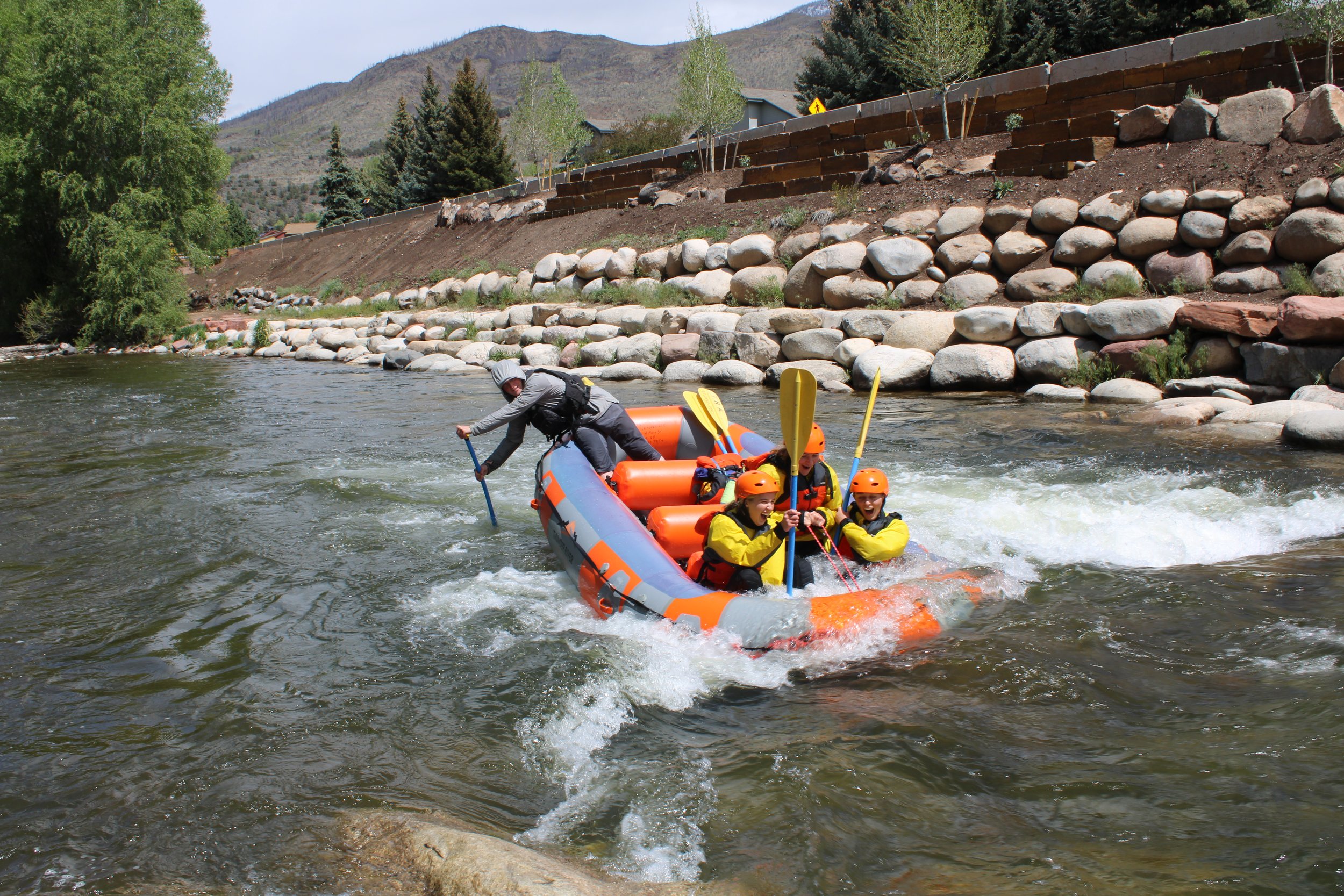
Most non-swimmers believe one of two things:
"I'm definitely going to fall out."
Or:
"There's no rafting trip for someone like me."
Neither is usually true.
Most guests stay in the raft for the entire trip.
And there are several river sections specifically designed for beginners, families, and guests with little to no rafting experience.
A Common Story We See Every Season
Every year we meet guests who arrive nervous.
Sometimes they're worried because they can't swim.
Sometimes they're worried because they've never been around moving water.
Almost every time, something interesting happens.
Within the first few minutes on the river, they start relaxing.
They realize the raft is stable.
They trust their guide.
They start enjoying the scenery.
And before long, they're having a great time.
It's one of the most rewarding transformations we get to watch as guides.
What Would We Tell a Nervous Non-Swimmer?
If someone called us tomorrow and said:
"I can't swim and I'm nervous."
Our answer would be simple:
Let's find the right trip for you.
Not every rafting trip is right for every guest.
But there are plenty of options that allow non-swimmers to safely experience the beauty of the Roaring Fork River.
The key is matching the trip to your comfort level.
Final Thoughts
You do not need to be a strong swimmer to enjoy white water rafting.
With the right trip, properly fitted safety equipment, and experienced guides, many non-swimmers discover rafting is far less intimidating than they expected.
The most important thing is choosing the right adventure for your experience level and comfort level.
And once you do, you may be surprised at just how much fun you have.