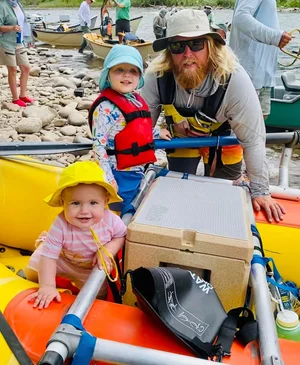
🦅 Wildlife and Nature Along the Roaring Fork River: What You Might See While Rafting in Aspen
TL;DR: The Roaring Fork River is one of the best places in Aspen to experience Colorado's wildlife. While rafting or inflatable kayaking, you may spot osprey, bald eagles, American dippers, mule deer, elk, river otters, black bears, and even trout in the clear mountain water. Scenic Float trips and late-summer inflatable kayaking offer the best wildlife viewing, giving you a peaceful, up-close look at one of Colorado's healthiest river ecosystems while experienced guides share insights about the area's plants, animals, and conservation efforts.
Why the Roaring Fork River Is a Wildlife Hotspot
The Roaring Fork River flows through protected public lands, riparian corridors, and alpine forest, making it one of the healthiest river ecosystems in Colorado.
Because the river is undammed, its natural flow supports:
Thriving trout populations
Healthy bird nesting areas
Seasonal migration routes for large mammals
For guests rafting in Aspen, this means wildlife sightings are not rare — they’re part of the experience.
Birds You’re Likely to See on the River
🐦 Osprey
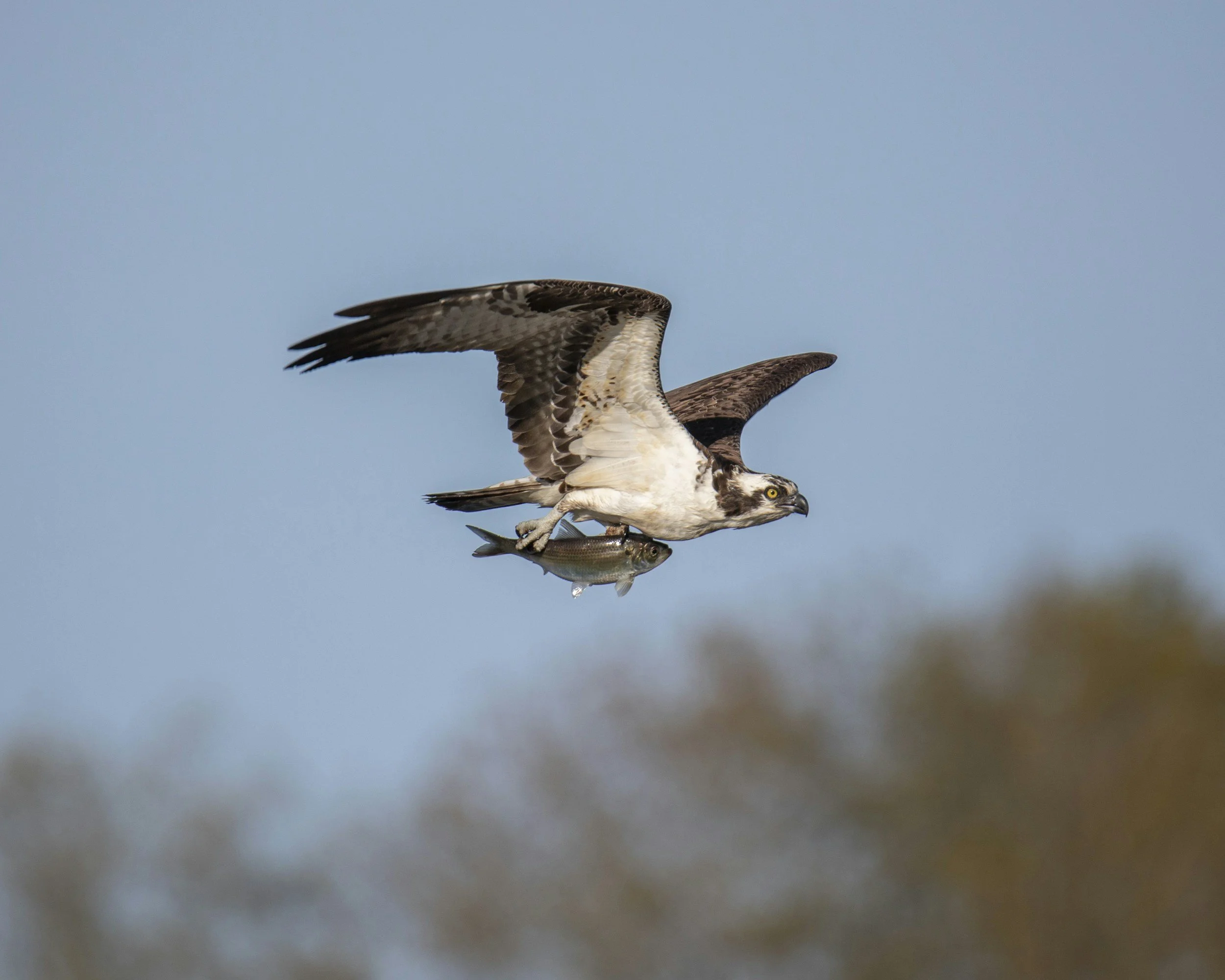
The Roaring Fork is a Gold Medal trout fishery, and where there are trout, there are osprey. Over the last decade, the osprey population has grown significantly along the river.
It’s not uncommon to watch an osprey dive feet-first into the water and fly off with a fish — a highlight for guests on Scenic Float trips.
🦅 Bald Eagles
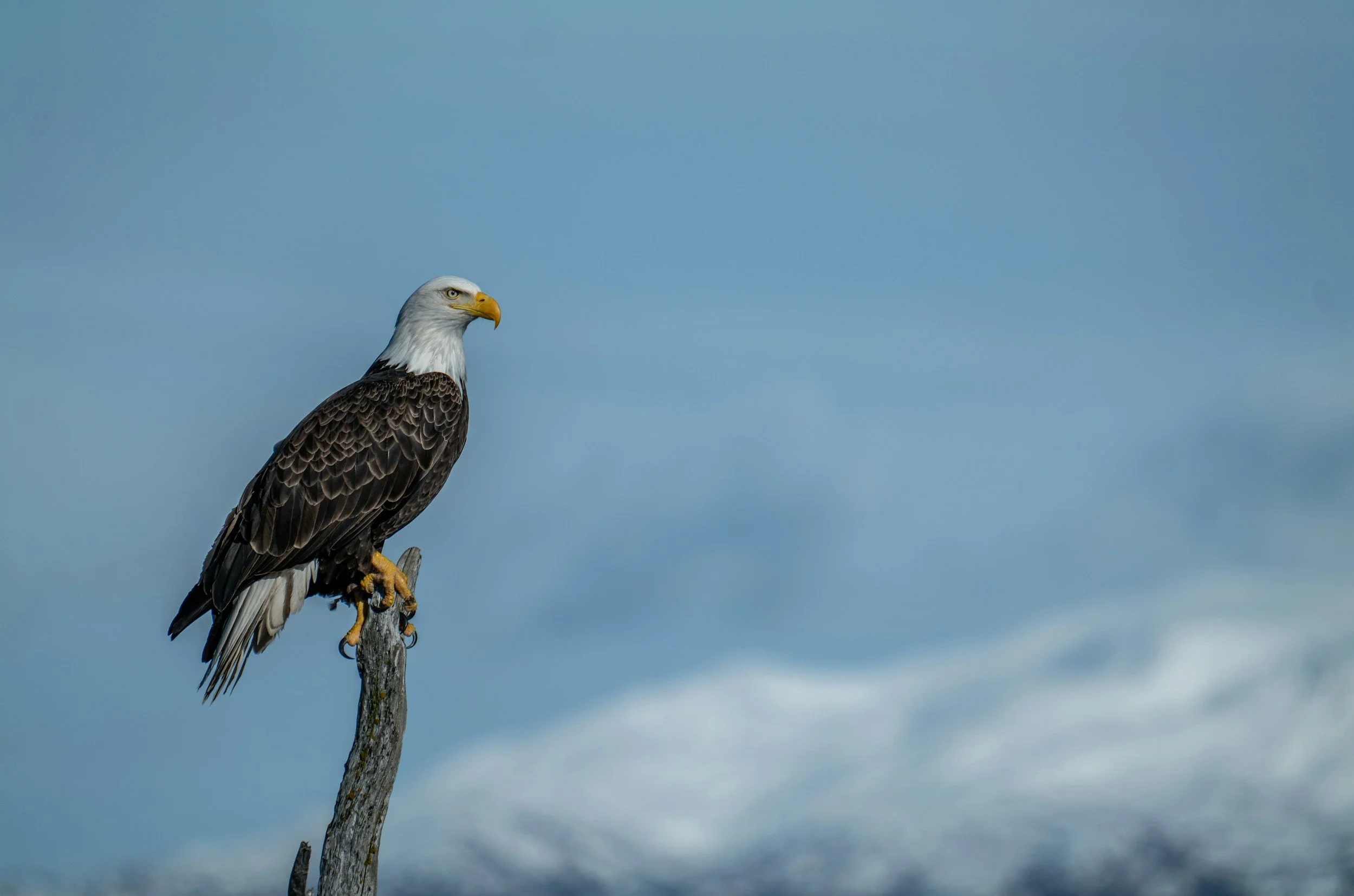
Bald eagles are regularly spotted perched in cottonwood trees or soaring above the canyon. Late summer and fall offer some of the best eagle viewing, especially during calmer river sections.
🐤 American Dipper
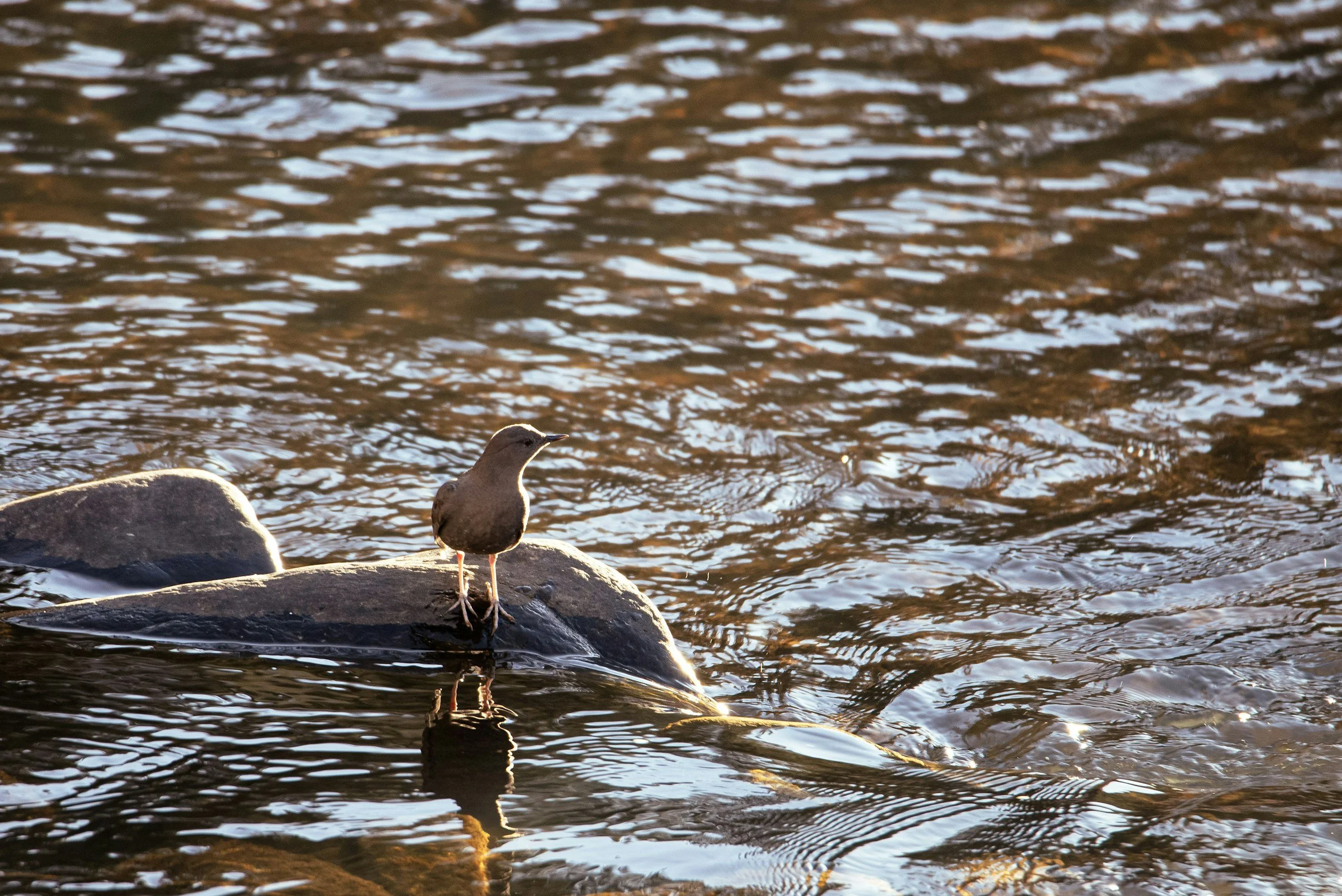
This small gray bird is a true river specialist. Dippers can often be seen bobbing on rocks or swimming underwater in fast-moving current — a favorite sight for guides and bird lovers alike.
Mammals Along the Riverbanks
🦌 Deer & Elk
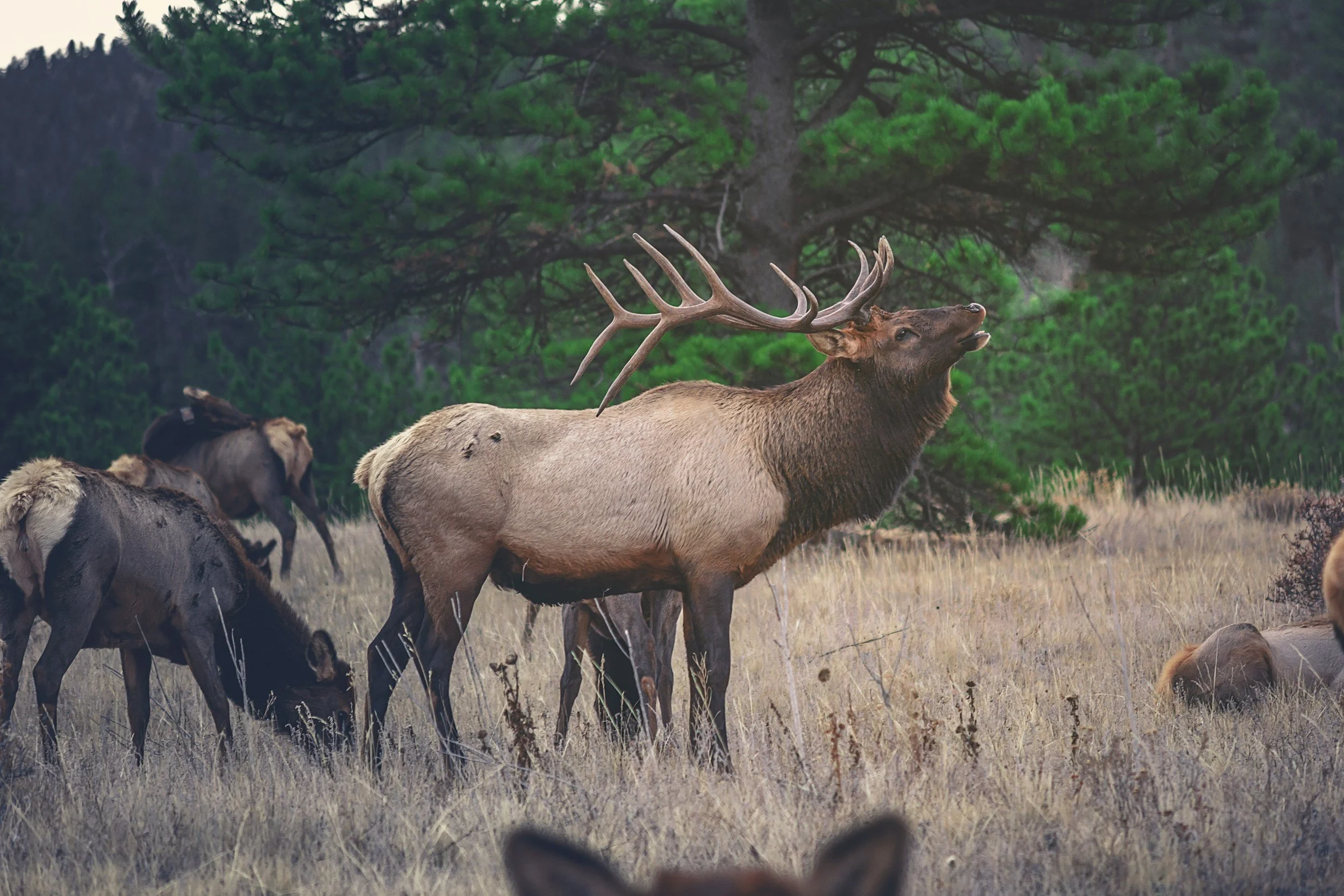
Mule deer are common along the Roaring Fork, especially in the early morning and evening. Elk are more elusive but are occasionally seen near quieter stretches of the river.
🦦 River Otters
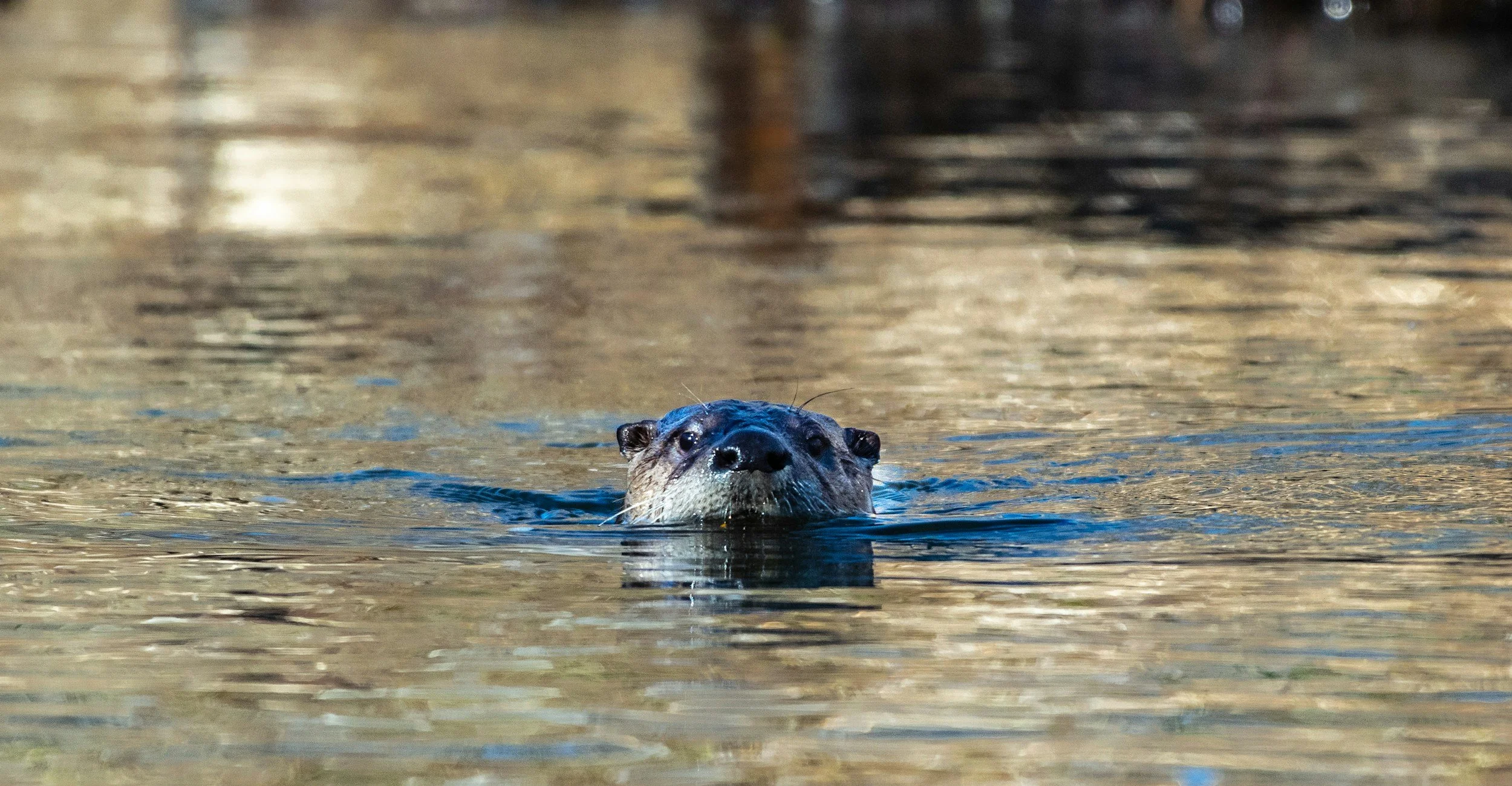
River otters are playful, curious, and fast. While sightings aren’t daily, lucky guests sometimes see otters sliding into the water or swimming near calm eddies.
🐻 Black Bears
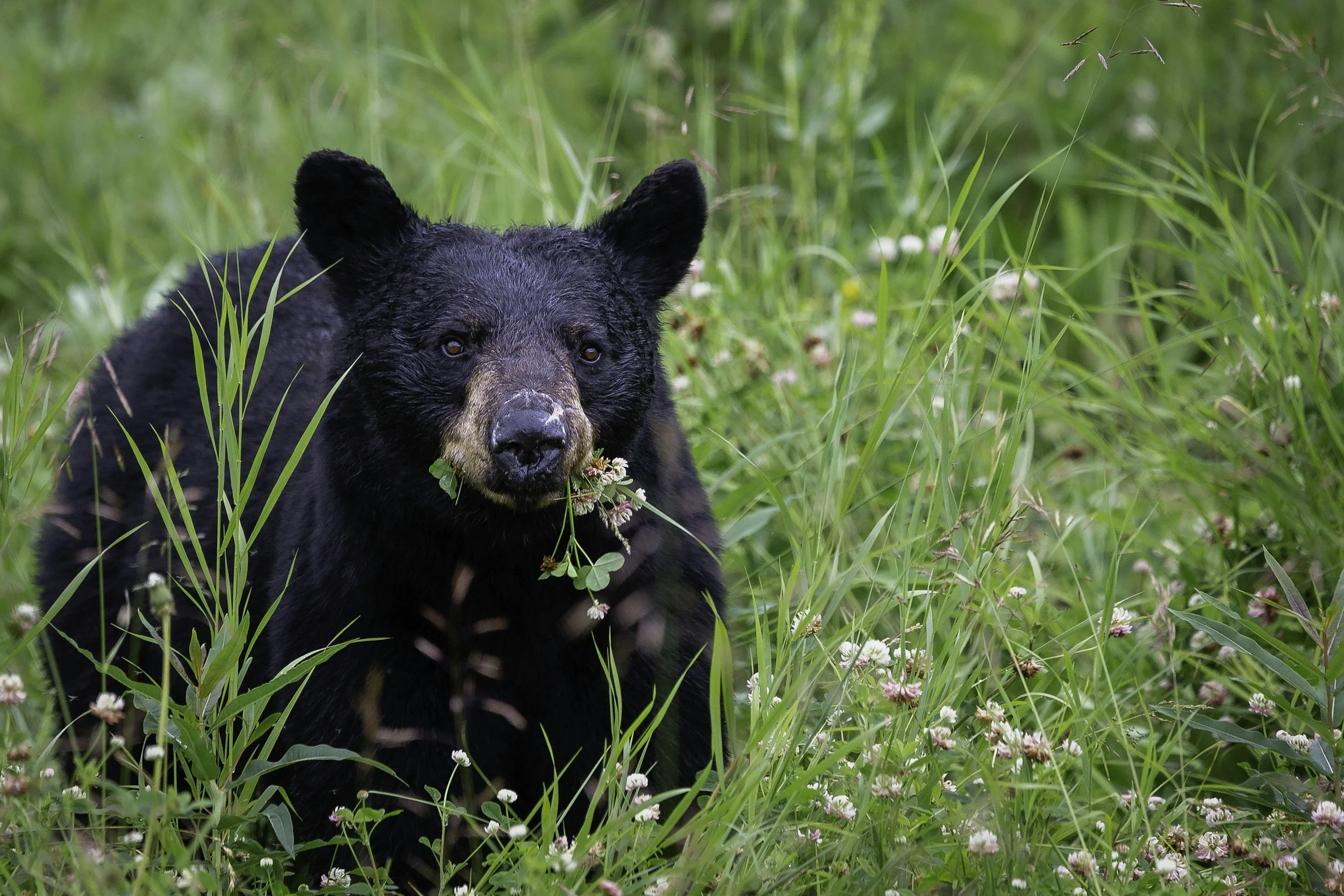
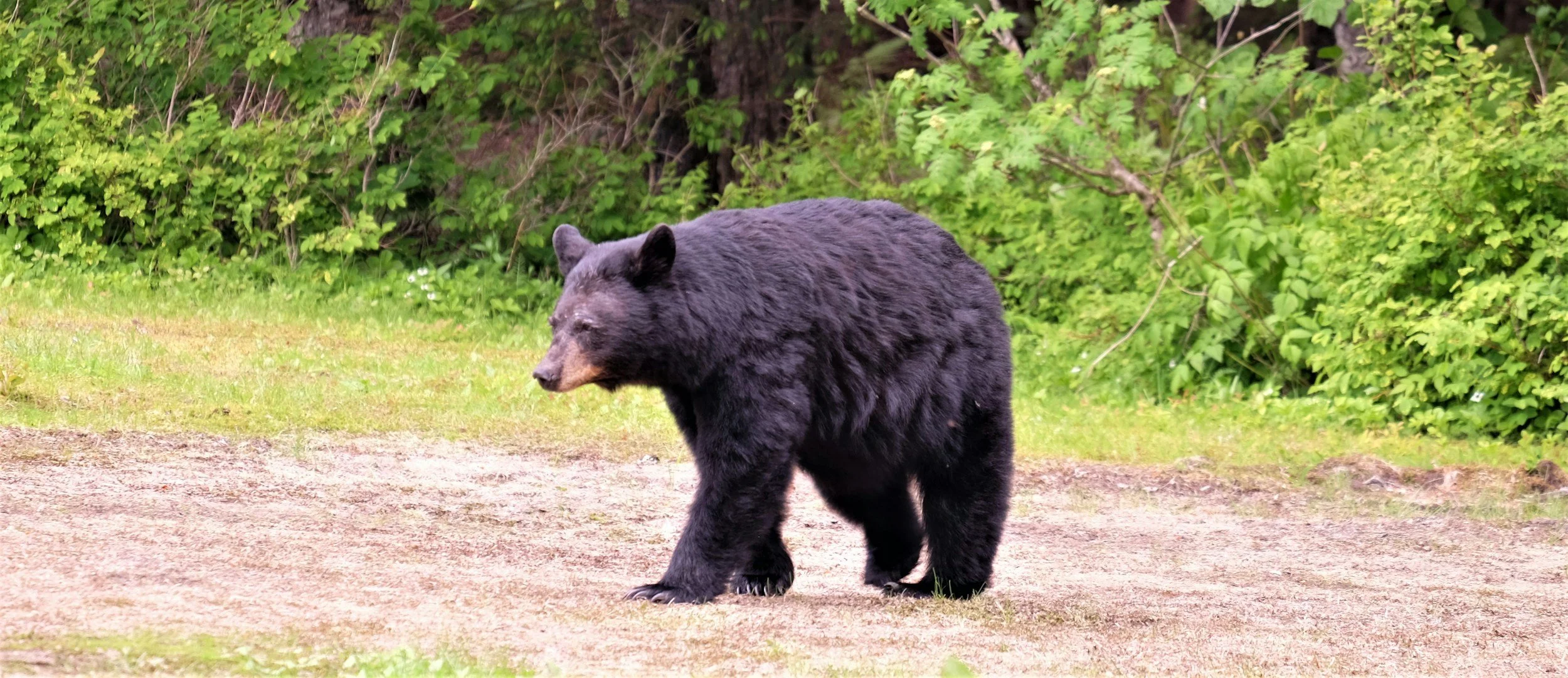
Bears live throughout the valley and are sometimes spotted along the riverbanks. These sightings are brief and at a distance, but always memorable.
Fish & Aquatic Life
The Roaring Fork River is designated as a Gold Medal trout fishery, supporting healthy populations of rainbow, brown, and cutthroat trout.
This abundance of fish is what fuels the entire ecosystem — from osprey to otters — and is a key reason the river remains so vibrant.
Best Trips for Wildlife Viewing
🌿 Scenic Float (Class I–II)
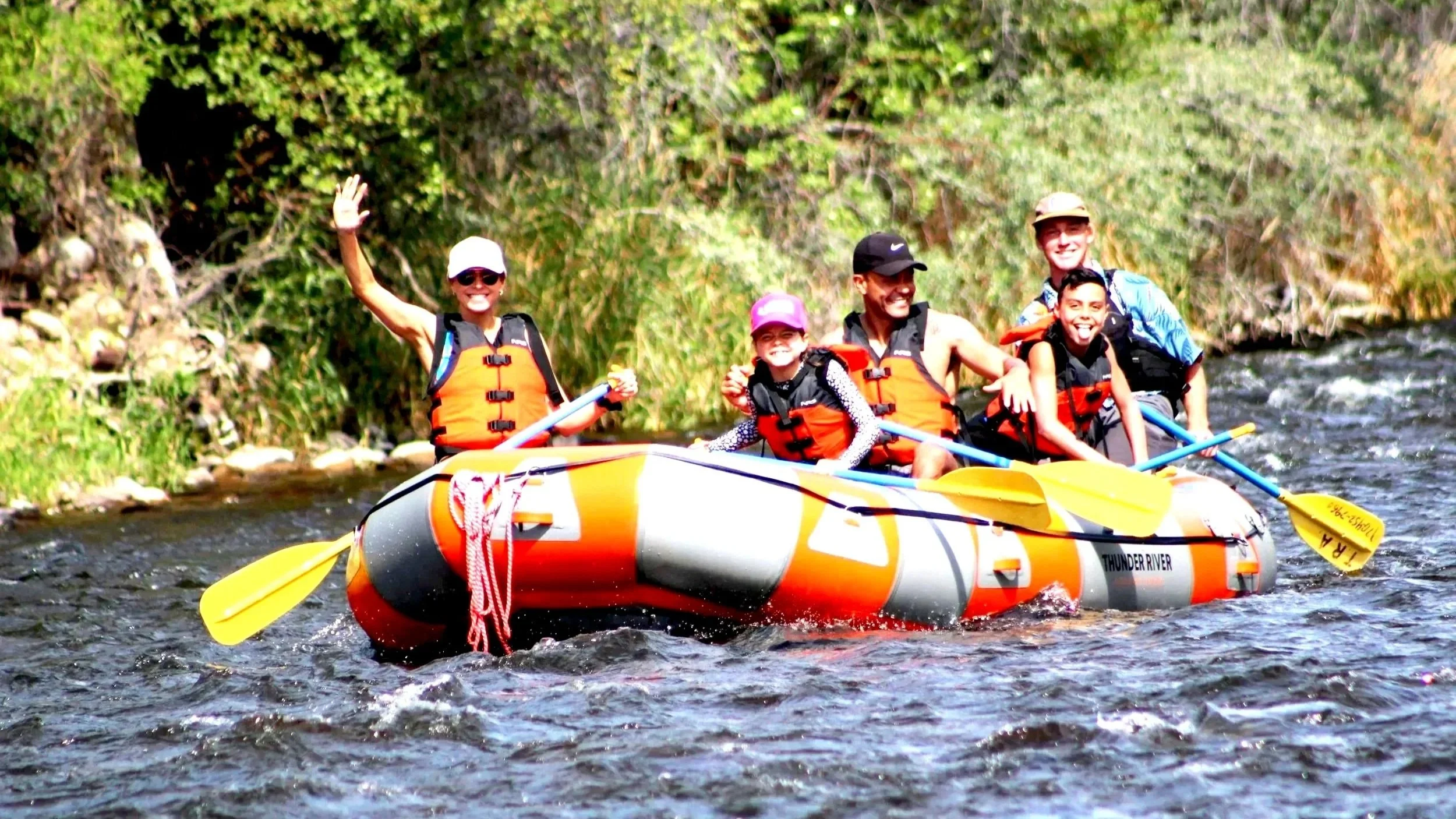
The Scenic Float offers the best wildlife viewing opportunities. The slower pace allows guides to point out birds, tracks, and animals along the riverbanks.
It’s ideal for:
Families with young kids
Multi-generational groups
Photographers and nature lovers
🛶 Inflatable Kayaking
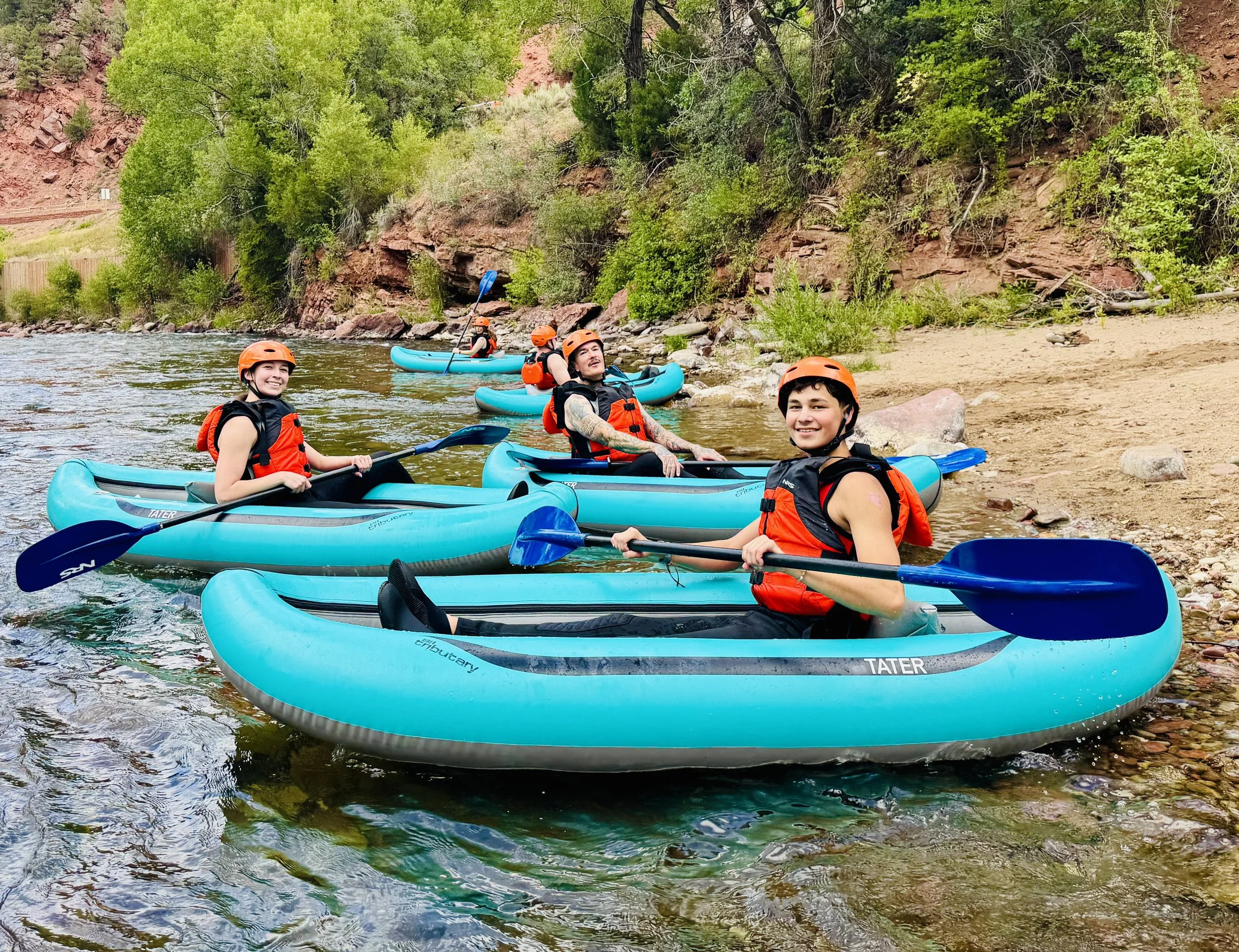
Late summer inflatable kayaking offers a more intimate way to experience the river. Being closer to the water often increases chances of seeing birds and fish up close.
Lower flows in July through September make this one of the best wildlife-focused adventures of the season.
When Is the Best Time to See Wildlife?
May–June: High water, fewer animals near the banks
July–August: Peak wildlife activity and warm weather
September: Fall colors, eagles, and calm river conditions
Late summer and early fall are often the best overall window for wildlife sightings on the Roaring Fork.
Respecting Wildlife on the River
Professional guides follow strict wildlife ethics to protect animals and their habitat:
Maintaining distance
Avoiding nesting areas
Never feeding or approaching wildlife
Educating guests about conservation
At Thunder River Adventures, we believe rafting should connect people to nature without disturbing it.
Why Rafting Is One of the Best Ways to Experience Aspen’s Nature
Unlike hiking or driving, rafting allows you to move quietly through wildlife corridors with minimal impact. You see the valley from a unique perspective — one that few visitors experience.
For many guests, spotting wildlife from the river becomes the most memorable part of their Aspen adventure.
Plan Your Nature-Focused River Trip
Whether you choose a peaceful Scenic Float or a hands-on inflatable kayak adventure, the Roaring Fork River offers a front-row seat to Aspen’s wild side.
👉 Book your rafting or inflatable kayaking trip with Thunder River Adventures and experience the wildlife, scenery, and natural beauty that make the Roaring Fork Valley so special.