The Best Whitewater Rafting Trips in Colorado (and Why Aspen Belongs at the Top)
TL;DR: The best whitewater rafting trip in Colorado depends on the experience you're looking for. The Arkansas River is famous for classic runs like Browns Canyon, The Numbers, and Royal Gorge, while the Colorado River offers everything from family-friendly floats to legendary Gore Canyon. But for a truly unique experience, the Roaring Fork River in Aspen stands out. As one of Colorado's few undammed, free-flowing rivers, it delivers everything from the relaxing Scenic Float (Class I–II) and splashy Canyon Cruise (Class III) to the continuous Slaughterhouse section (Class IV)—all surrounded by stunning alpine scenery and smaller crowds. Whether you're a first-time rafter or an experienced thrill seeker, Colorado has a river for you, and Aspen deserves a spot at the top of the list.
Why Colorado Is a Whitewater Paradise
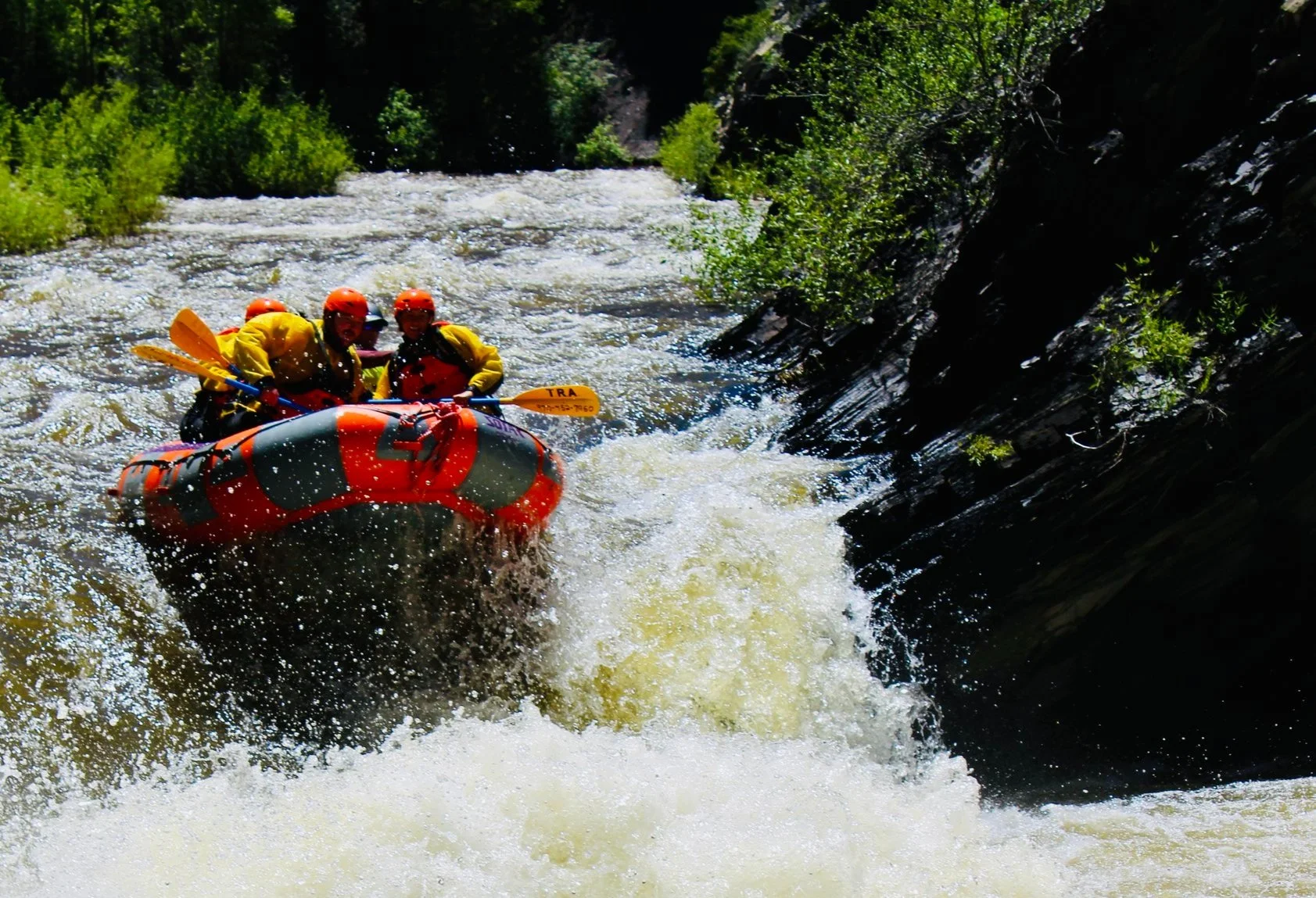
Colorado’s mountains are the birthplace of some of North America’s most iconic rivers. Snowmelt-fed creeks pour from the Rockies each spring, creating a network of waterways that range from calm scenic floats to world-class Class V whitewater.
Every region offers its own flavor — from desert canyons to pine-covered alpine valleys. As a professional rafting outfitter based in Aspen, Thunder River Adventures has spent years exploring them all. Here’s how each of Colorado’s classic rafting destinations stacks up — and why Aspen’s Roaring Fork River continues to be one of the most unique.
The Arkansas River: Colorado’s Rafting Heartland
The Arkansas River is the busiest and best-known rafting destination in Colorado — and for good reason. Flowing through the central Rockies near Buena Vista and Salida, it’s home to several legendary sections:
Pine Creek (Class V): A steep, technical run for experienced paddlers and adrenaline seekers.
The Numbers (Class IV): Continuous, fast-paced whitewater that demands teamwork and precision.
Fractions and Browns Canyon (Class III–IV): Perfect for families and first-time rafters, offering big waves and incredible granite scenery.
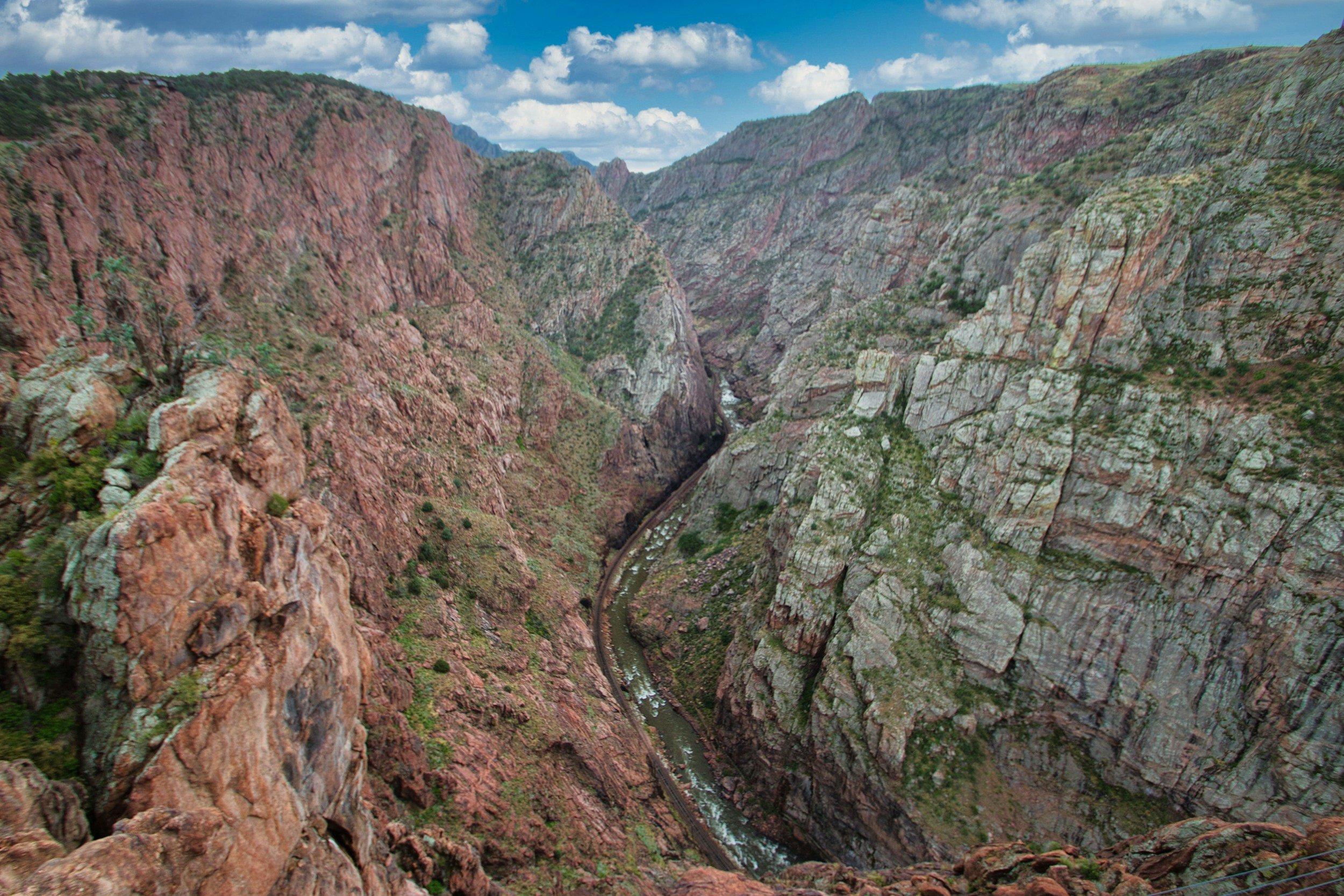
Royal Gorge (Class IV–V): A deep, dramatic canyon where the river narrows beneath towering cliffs and the iconic Royal Gorge Bridge.
Each stretch offers something special, and the Arkansas Valley’s long season (thanks to upstream dam releases) keeps it running well into late summer.
Still, for many guides and guests alike, the sheer number of commercial boats and crowds can make it feel busy — something the Roaring Fork avoids entirely.
The Colorado River: From Calm to Legendary
The Colorado River runs the length of the state and offers everything from family floats to expert-only runs.
Shoshone (Class III): A short but action-packed section near Glenwood Springs that’s perfect for quick thrills.
Upper Colorado (Class I–II): A mellow, scenic stretch that’s ideal for tubing, kayaking, and family floats — and the site of countless summer memories.
Gore Canyon (Class V): The crown jewel of Colorado whitewater, reserved for experts and professionals only.
While not a commercial section, Gore Canyon holds a special place in Colorado’s rafting culture. It’s home to the annual Gore Canyon Race, where the state’s best boaters and teams gather to test their skill and courage on one of the most technical runs in the West.
I’ve personally spent many years racing rafts through Gore Canyon — it’s hands down the most exhilarating stretch of whitewater in Colorado.
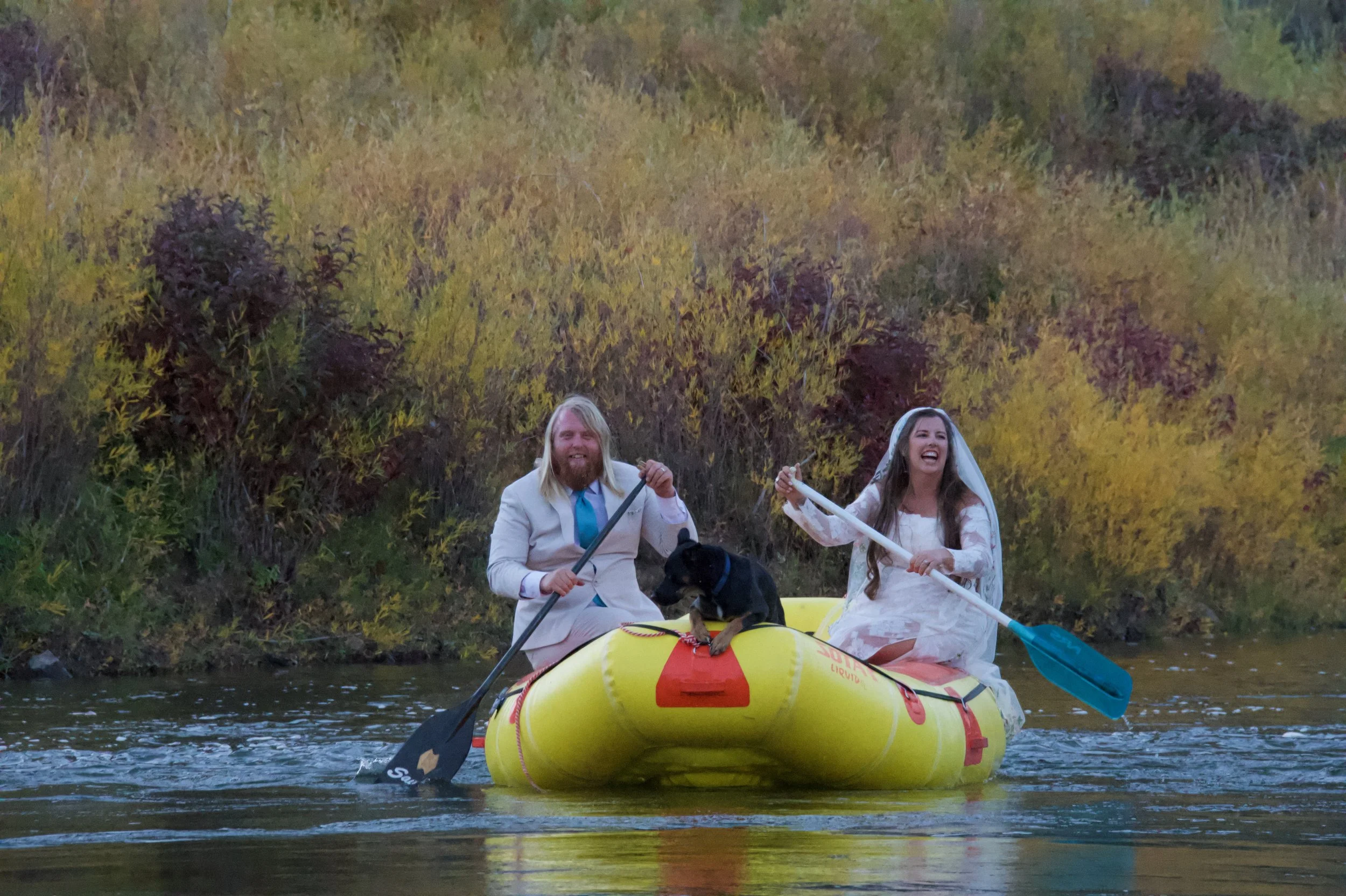
Me and Kate got married on the banks of the Upper Colorado
The Taylor River: Continuous Beauty
Tucked in the mountains near Crested Butte, the Taylor River offers steady, continuous whitewater in a serene canyon setting. Its turquoise water and pine-covered cliffs make it a photographer’s dream, and the flow provides a great blend of excitement and rhythm.
While shorter and less intense than some other rivers, the Taylor’s peaceful beauty and moderate rapids make it a gem for guests looking for Class II–III adventure in a quiet environment.
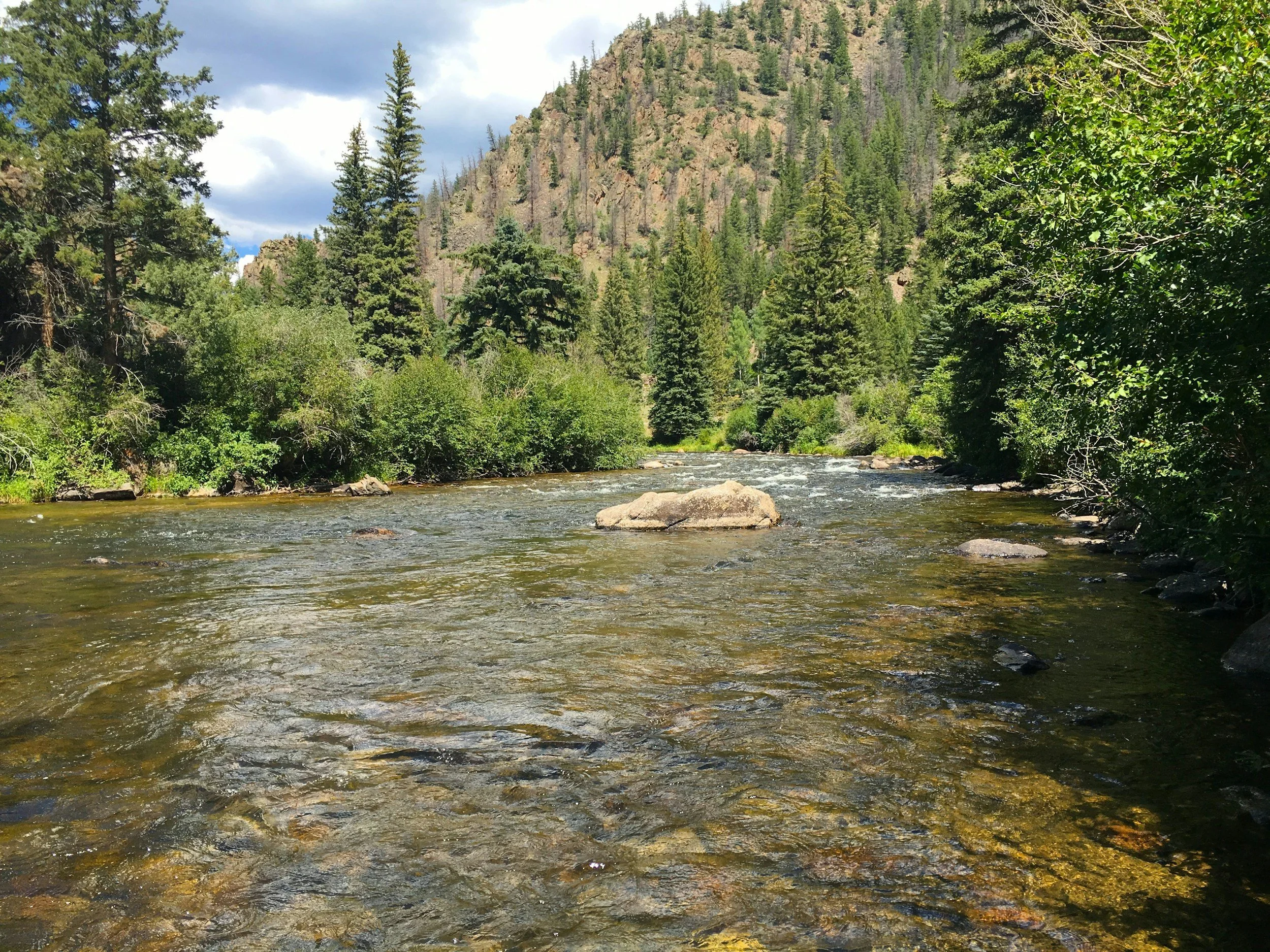
The Roaring Fork River: Aspen’s Untamed Treasure
And then there’s the Roaring Fork — home to Thunder River Adventures, and one of Colorado’s most dynamic, scenic, and authentic rivers.
What makes it unique is what isn’t there: no dams. The Roaring Fork is one of the few major rivers in Colorado that flows completely unrestricted, fed only by natural snowmelt from the high peaks of the Elk Mountains.
That means every spring, the river transforms daily. During runoff (May–June), it becomes powerful, unpredictable, and alive — a true reflection of mountain energy. By mid-summer, flows mellow into splashy waves and scenic currents that carry through lush forests and alpine valleys.
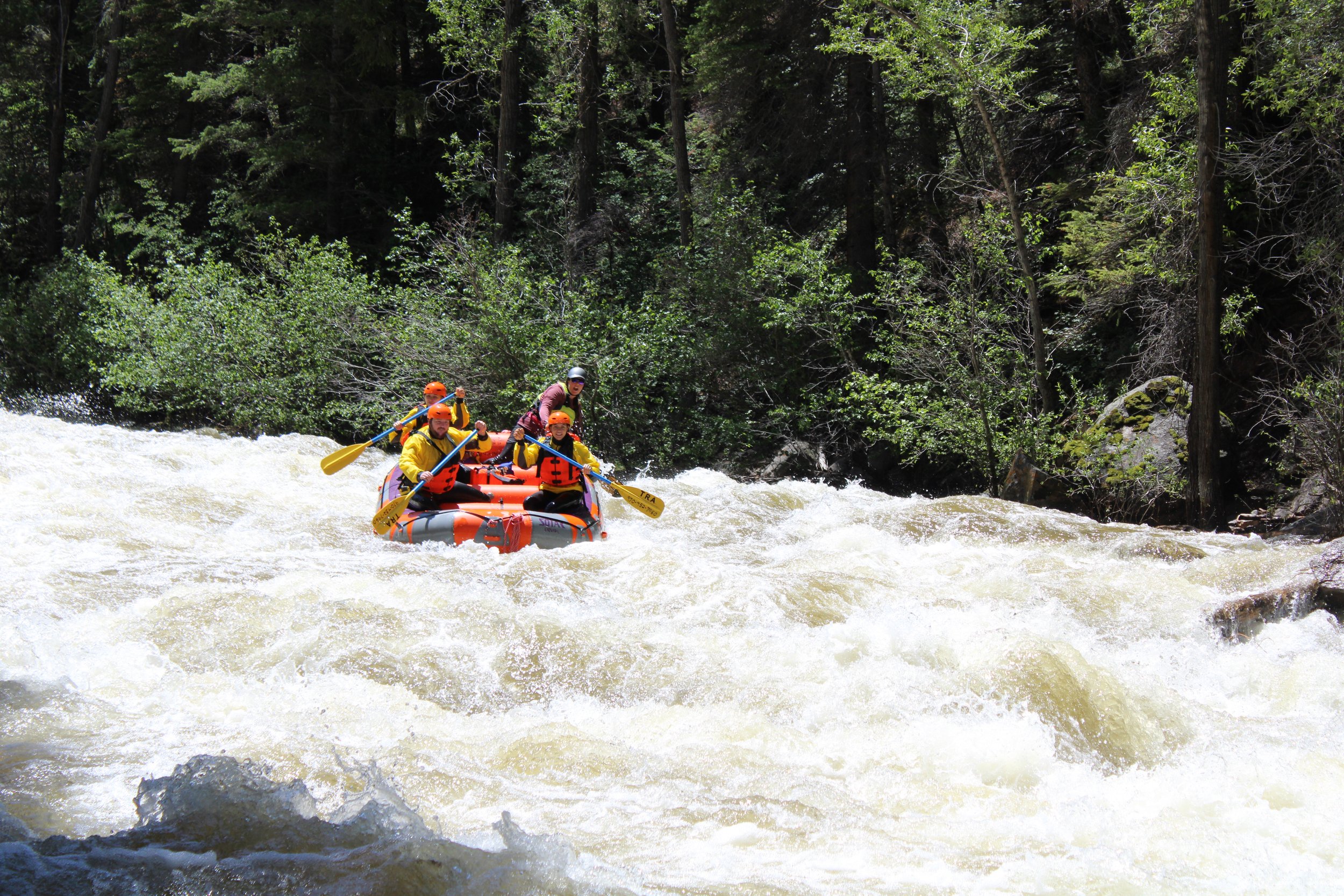
⚡ The Slaughterhouse Section (Class IV)
Aspen’s most famous stretch, Slaughterhouse, is six miles of continuous, technical Class IV whitewater. Starting just minutes from downtown, it delivers non-stop action from the first rapid — including the iconic six-foot waterfall drop.
It’s the most continuous Class IV section in the state, and one of the most exhilarating runs for guests seeking a challenge.
Many experienced rafters compare it to the Upper Yough in Western Maryland — a benchmark of sustained whitewater in the U.S. — but with the added beauty and solitude of the Colorado Rockies.
🌊 The Canyon Cruise and Scenic Float
For those looking for something more moderate, the Roaring Fork has plenty to offer beyond the thrills of Slaughterhouse.
The Canyon Cruise (Class III) delivers the perfect middle ground — waves, sunshine, and excitement for families and first-timers.
The Scenic Float (Class I–II) offers wildlife, serenity, and spectacular alpine views — ideal for multi-generational families, young kids, and anyone looking to unwind on the water.

Why Aspen Belongs at the Top
Beyond its whitewater, Aspen offers something few rafting destinations can match:
Smaller crowds than the busier Arkansas and Colorado River corridors.
Cooler alpine forests and lush scenery instead of high desert terrain.
Quick access to town, restaurants, and resorts — you can go from river to dinner in minutes.
It’s the perfect blend of wild and refined — a rafting experience that feels remote and authentic, yet close to the heart of Colorado adventure.
From Local Races to Lifelong Passion
For me, rafting isn’t just work — it’s a lifelong calling. After years of guiding across Colorado and even racing rafts through Gore Canyon, I’ve seen nearly every kind of river this state offers.
But I always come back to the Roaring Fork. It’s unpredictable, pure, and full of character — a river that reminds you why you fell in love with rafting in the first place.
Tips for Rafting Colorado’s Rivers
Time your trip to the season. Spring runoff (May–June) brings big water and powerful flows, while July–September offers warmer weather and more mellow trips.
Match your river to your comfort level. Class I–III trips are ideal for families and beginners; Class IV–V for experienced paddlers.
Book early. Colorado’s rafting season is short, and top outfitters fill up quickly.
Choose experience over price. The best guides bring safety, confidence, and fun to every mile.
Bring your sense of adventure. No two days on the river are ever the same.
Plan Your Colorado Rafting Adventure
Whether you’re chasing Class IV rapids or floating through alpine meadows, Colorado has a river for everyone. And when it comes to authenticity, experience, and professionalism, Thunder River Adventures stands proudly among the state’s best.
👉 Book your Aspen rafting trip today and experience one of Colorado’s purest rivers — guided by professionals who live for this.